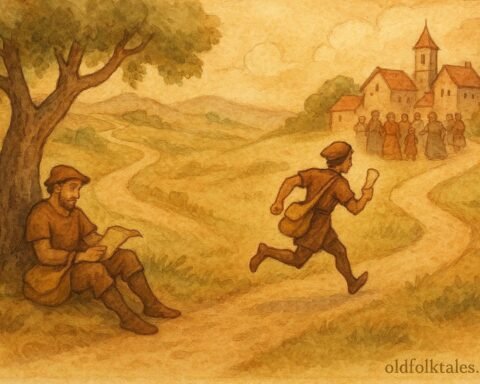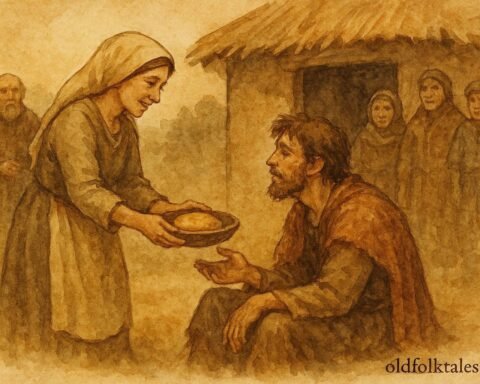
Long before the present generation, when the voices of the ancestors were still closely followed and their presence was felt in every part of daily life, there existed a community that lived in harmony with the traditions handed down through generations. The people believed that their strength came not only from their labor and unity, but from their obedience to the customs that had guided their forefathers.
These customs were not written, yet they were deeply known. They governed how people spoke, how they farmed, how they honored the land, and how they treated one another. Elders served as the keepers of this knowledge, reminding the young that every tradition carried meaning, even when its purpose was not fully understood.
Among these traditions were sacred observances that could never be ignored. There were days set aside for honoring the ancestors, rituals performed before planting and harvesting, and taboos that protected the balance between the living and the spiritual world.
For many years, the community followed these customs faithfully. Their harvests were abundant, their livestock thrived, and peace remained among them.
If you enjoyed this story, explore our full West African folktales collection
But as time passed, a new generation began to rise, one that questioned the old ways.
The younger people looked at the traditions and saw them as burdens rather than blessings. They began to wonder why certain rituals had to be performed, why certain days required rest, and why the elders insisted on practices that seemed to slow their progress.
Some among them spoke openly.
“These customs belong to the past,” they said. “We must live for today. Why should we follow rules we do not understand?”
At first, the elders responded with patience. They explained that tradition was not meant to be questioned lightly, that it carried the wisdom of those who had lived before. But their words did not carry the same weight as before.
Slowly, the people began to change.
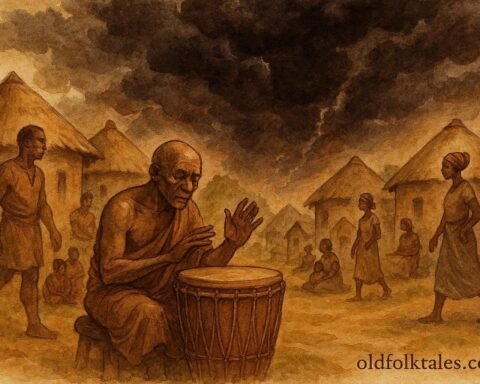
The first tradition to be abandoned was a simple one. It was a day set aside for honoring the ancestors, a time when no farming was done and offerings were made in quiet respect.
One season, a group of young men decided to ignore it. They went to the fields and worked as usual, believing that missing a single observance would not matter.
Nothing happened that day.
Encouraged by this, others began to follow their example. The sacred day passed without ritual, without remembrance, without even a moment of silence.
Still, no immediate consequence appeared.
With time, more traditions were set aside. Rituals before planting were skipped. Offerings were forgotten. Taboos that once held deep meaning were dismissed as unnecessary.
The elders grew troubled. They warned the people that the balance between the living and the unseen world was delicate, and that neglecting these customs could bring consequences that would not be easily reversed.
But their warnings were ignored.
“We have lived without these rituals for some time now,” the people said. “Nothing has happened. Perhaps the old ways were never needed.”
Then, slowly, things began to change.
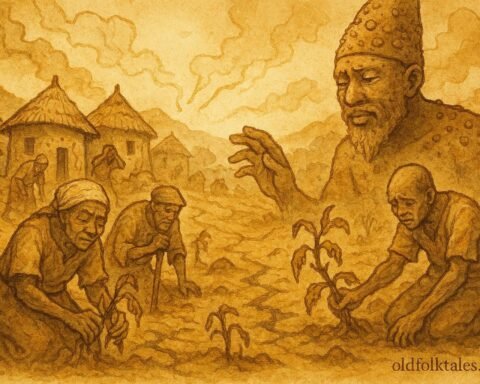
The rains did not come when they were expected. The soil, once rich and fertile, began to yield less. Crops that had always grown strong now struggled to survive.
At first, the people blamed the seasons. They said it was only a passing change. But the pattern continued.
Then sickness appeared. It spread quietly at first, affecting only a few. But soon, more people fell ill, and the healers found that their remedies were no longer as effective as before.
Livestock began to weaken. Disputes arose among neighbors. The unity that once held the community together began to break apart.
Fear grew among the people.
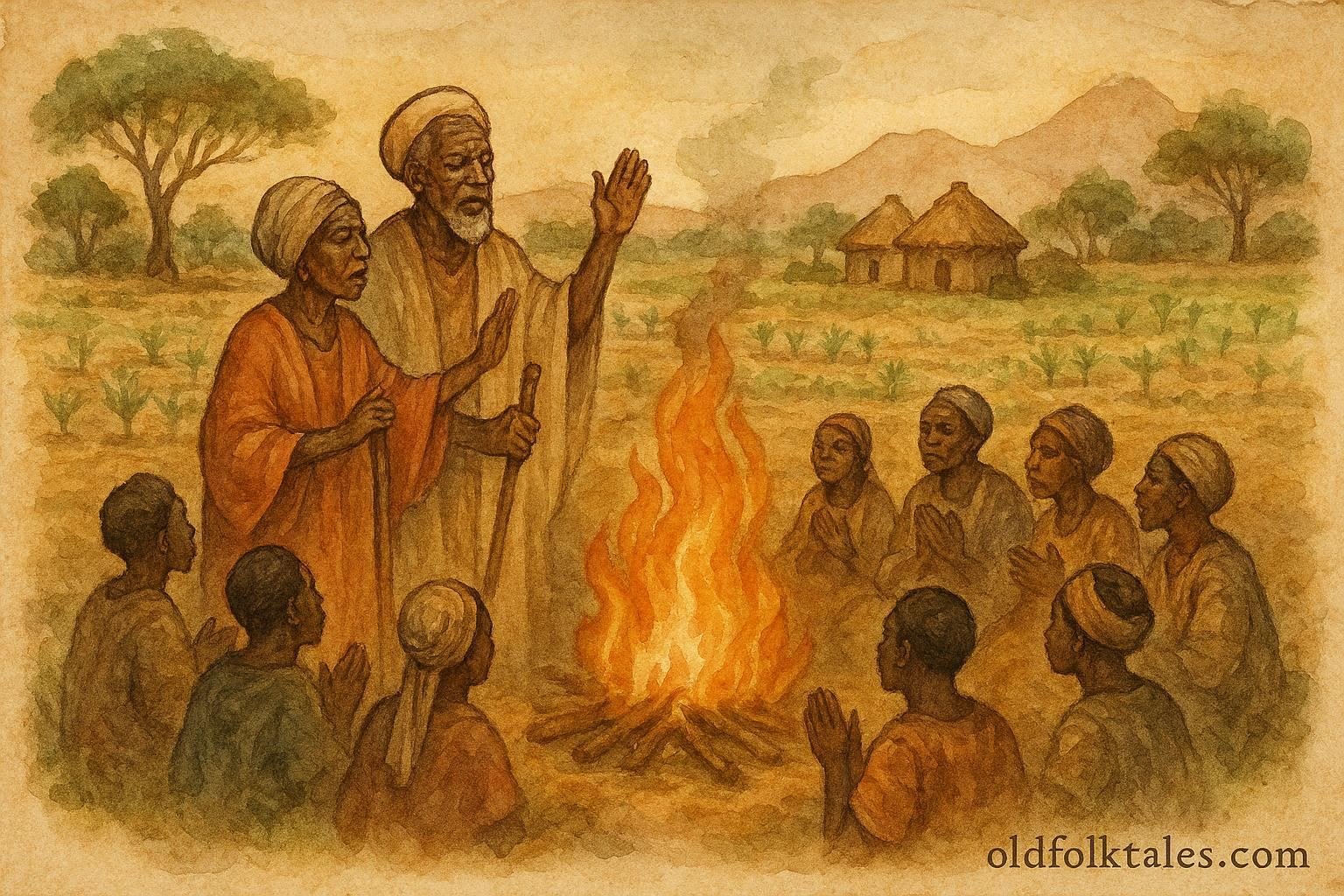
They went to the elders and asked what had gone wrong.
The elders did not answer immediately. They gathered together and spoke among themselves, reflecting on all that had changed. When they returned, their message was clear.
“You have turned away from the ways that protected you,” they said. “You have forgotten the customs that kept balance between this world and the next. What you are experiencing is not without cause.”
The people were troubled by these words. Some accepted them, but others still hesitated.
“Can these hardships truly come from what we have ignored?” they asked.
The elders nodded.
“Tradition is not empty,” they said. “It is a bridge between the living and the ancestors. When that bridge is broken, the protection it offers is lost.”
At last, the people understood.
They saw that their actions had consequences, even if those consequences had not come immediately. They realized that what they had dismissed as unnecessary had been quietly sustaining them all along.
With humility, they turned back to the elders and asked what must be done.
The elders instructed them to restore what had been broken.
The sacred day was observed once more, this time with greater reverence than before. Offerings were made, not out of routine, but with genuine respect. Rituals that had been forgotten were carefully remembered and practiced again.
The people approached these traditions with a new understanding. They no longer saw them as burdens, but as responsibilities that connected them to something greater than themselves.
The change did not come immediately.
For a time, the hardships continued, as though the land and the spirits were waiting to see if the people’s return to tradition was sincere. But the people remained faithful. They did not abandon the customs again.
Slowly, the balance began to return.
The rains came when they were needed. The crops began to grow as they once had. The sickness faded, and peace returned to the community.
From that time onward, the story was never forgotten.
It was told to every generation as a reminder that tradition is not merely a collection of old practices, but a living connection to the past, the present, and the unseen forces that shape the world.
The people learned that abandoning what they did not fully understand had nearly destroyed them, and that respect for ancestral wisdom was essential for their survival.
Continue your journey: Read more East African folktales
Moral Lesson
Traditions carry the wisdom and protection of generations. Ignoring them can lead to unseen consequences, while respecting them preserves balance and harmony.
Knowledge Check
- What caused the suffering in the community?
The people abandoned their ancestral traditions and customs. - Why were the traditions important?
They maintained balance between the living and the spiritual world. - What signs showed something was wrong?
Poor harvests, illness, conflict, and lack of rain. - How did the community restore balance?
By returning to their traditions and honoring the ancestors. - What role did the elders play?
They preserved knowledge and guided the people back to the right path. - What is the main lesson of the story?
Respecting tradition is essential for harmony and survival.
Source
Central African oral tradition, Burundi. Documented by Jan Vansina in Oral Tradition as History (1985).