
Long ago, high in the rugged hills of what is now the Ikom district of Nigeria, there stood a powerful settlement known as Insofan. The town sat upon a mountain so steep that it seemed to touch the clouds. From the heights, the people of Insofan could look down upon the forests, rivers, and valleys that stretched endlessly beneath them. They were many in number and proud of their mountain home, which offered both safety and a commanding view of their land.
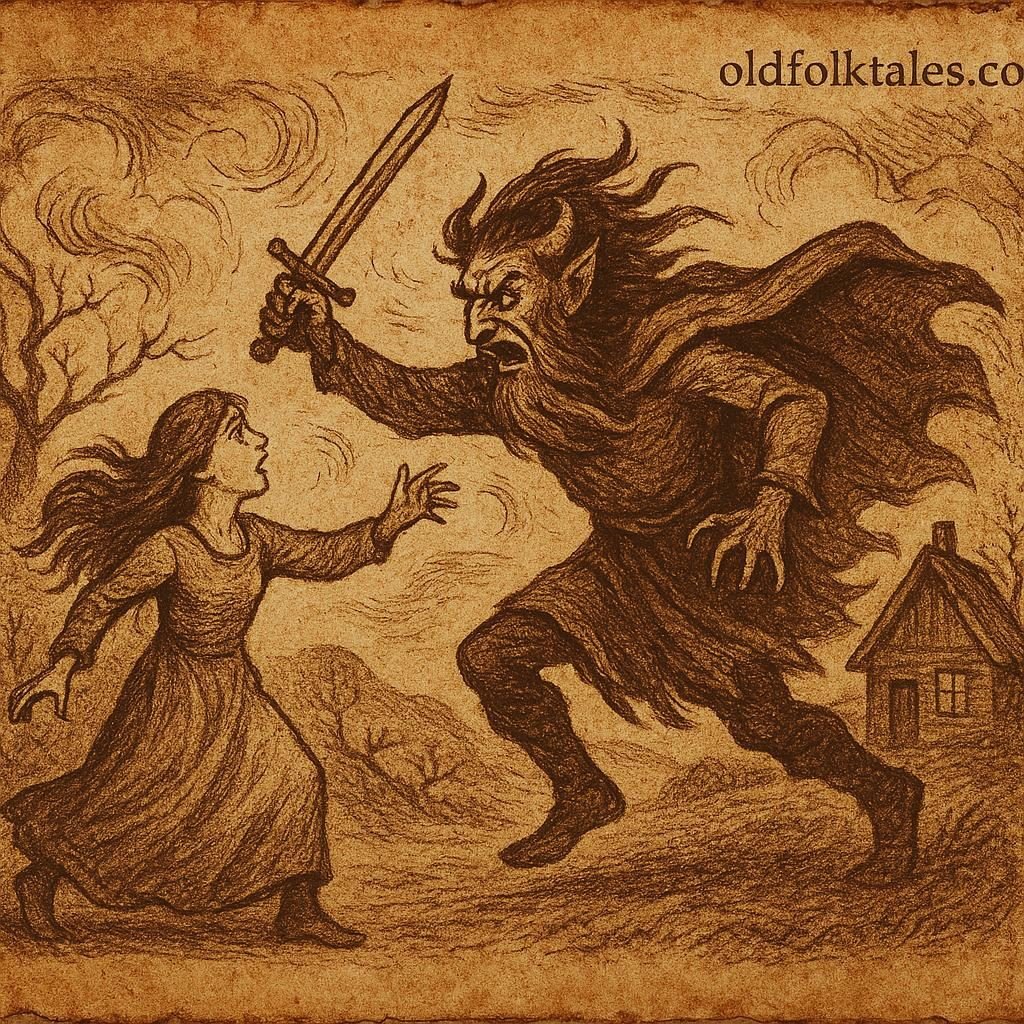
But beyond the safety of their slopes lived a terrifying enemy, the cannibals. These fierce warriors inhabited the surrounding country. They were known for their strength, cruelty, and unyielding hunger for human flesh. To the Insofan people, the cannibals were not just neighbors, they were constant threats, shadows lurking just beyond the forests that skirted the mountain.
For years, Insofan endured their presence. The villagers farmed their mountain fields, raised families, and celebrated festivals, yet fear never fully left them. Almost every season, the cannibals would launch sudden raids, attacking the settlements with terrifying cries, their weapons flashing in the sun. The warriors of Insofan were brave, and they fought fiercely to defend their people, but the battles drained them.
Still, the people refused to abandon their home. They believed that their numbers and their stronghold on the mountain would protect them. Parents told their children that the mountain itself was their guardian. Yet the cannibals were relentless. They studied the paths, learned the defenses, and struck with increasing fury.
At first, the villagers mourned only a few losses after each raid. But over time, the battles grew bloodier. Entire families were wiped out. Fields once rich with yam and cassava lay trampled after the wars. Songs of joy gave way to cries of mourning. The air of Insofan grew heavy with grief and fear.
Then came the darkest season. The cannibals gathered in great numbers, more than the people of Insofan had ever seen before. They rose at dawn and swarmed up the mountain paths like an unstoppable tide. Their voices echoed through the valleys as they shouted, their drums beating a rhythm of terror. The warriors of Insofan fought valiantly, their spears clashing, their shields raised high, but the enemy was far too strong.
One by one, the defenders fell. Blood stained the mountain stones. The cries of women and children mingled with the roar of battle. The people realized then that their strength had reached its limit. The mountain that once seemed to guard them could no longer protect them.
With hearts broken but wills unbroken, the survivors gathered what they could carry, mats, cooking pots, a few precious seeds, and fled. Mothers clutched their babies to their breasts. The elderly leaned on sticks, urged forward by their children. Warriors walked at the rear, weary and wounded, watching the smoke rise behind them as the cannibals claimed Insofan.
Down the steep mountain paths they went, leaving behind their ancestral home. Through forests and across streams they journeyed, moving farther and farther from the reach of their enemies. For days they walked, their feet swollen, their stomachs empty, their spirits torn between sorrow and hope.
At last, the weary travelers reached the wide flowing waters of the Cross River. The river sparkled beneath the sun, its waters both a barrier and a promise. Here, they found fertile banks, fish filled waters, and dense forests that offered food and shelter. The people knew that this was the place where they could begin again.
By the banks of the Cross River, they built new towns. They tilled new fields, planted their seeds, and raised strong houses from the earth and wood. Though the memory of Insofan never left them, the people grew and thrived in their new home. Over time, they came to be known as the Ikom tribe, carrying within them the history of the mountain they lost and the strength of their survival.
The fall of Insofan was not just a tale of defeat, it was a story of resilience. Though the cannibals had driven them from their mountain, they had not destroyed their spirit. By fleeing, the people preserved their lives, their culture, and their future. The Cross River became their new guardian, and the Ikom tribe lived on.
Moral Lesson of How the Cannibals Drove the People from Insofan Mountain to the Cross River
The story teaches that wisdom often lies not in stubbornly fighting against those who are stronger, but in knowing when to step back in order to survive. The people of Insofan could not match the power of the cannibals, yet their choice to retreat allowed them to rebuild and thrive as the Ikom tribe. True strength is not always in battle, it is in resilience, survival, and the courage to begin anew.
Knowledge Check: How the Cannibals Drove the People from Insofan Mountain to the Cross River
Where was the town of Insofan located in this folktale?
Insofan was situated high on a mountain in the Ikom district.Who were the main enemies of the people of Insofan?
Their enemies were the cannibals who lived in the surrounding country.Why did the people of Insofan abandon their mountain home?
They fled after the cannibals waged war, killing many of their people.Where did the survivors of Insofan settle after leaving their mountain?
They settled on the fertile banks of the Cross River.What new identity did the survivors of Insofan adopt after resettling?
They became known as the Ikom tribe.What is the main lesson taught by the folktale?
The story teaches that one should not fight against those who are far stronger, but instead value survival and the chance to rebuild.Source: Ikom folktale, Nigeria

