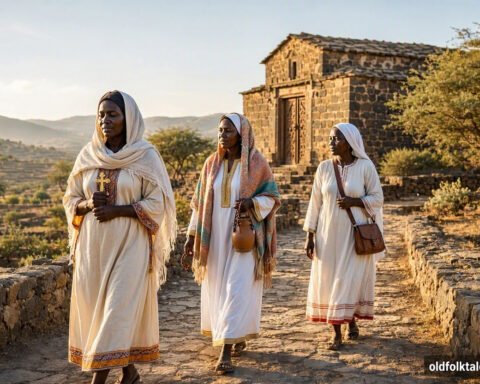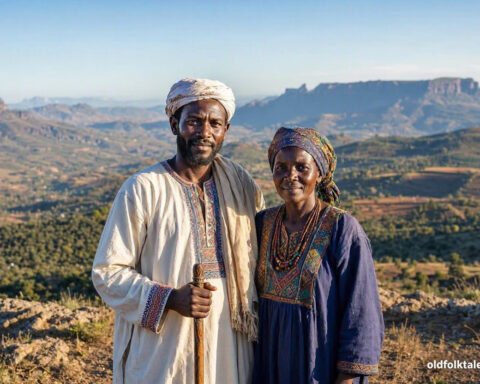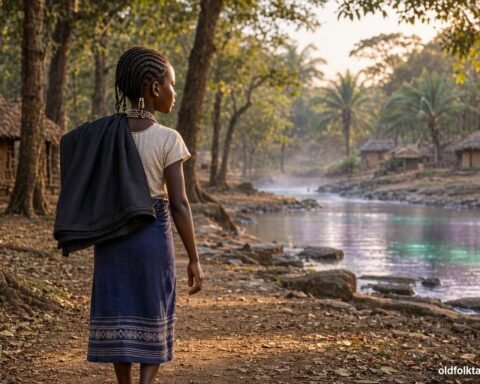
Long before modern borders and governments shaped the region, Bondoukou stood as one of the most important crossroads of trade, culture, and diplomacy in what is now Côte d’Ivoire. Merchants, farmers, craftsmen, and travelers from many backgrounds passed through its busy markets. Different languages could be heard in the streets, and people from distant communities often met there to exchange goods, ideas, and news.
Because Bondoukou connected many regions, peace among neighboring communities was essential. Trade flourished when relationships were strong, and families prospered when disputes were resolved fairly. Yet even in a place known for cooperation, disagreements sometimes arose.
According to oral tradition, there was a period when two neighboring communities became locked in a bitter dispute. The disagreement began over access to fertile land located between their territories. Both communities believed their ancestors had long-standing claims to the area. What started as a disagreement among a few families gradually expanded until it involved elders, farmers, traders, and local leaders.
Continue your journey: Read more East African folktales
At first, people attempted to resolve the matter through informal discussions. Representatives met beneath large shade trees and exchanged their perspectives. However, each side remained convinced of its position. As months passed, frustration grew.
The dispute soon affected everyday life.
Farmers hesitated to cultivate fields near the contested area. Traders worried that conflict would disrupt travel routes. Families who once visited one another became cautious and distant. Community celebrations that had traditionally brought people together became less frequent.
The elders recognized the danger.
They understood that unresolved disputes often spread beyond their original cause. A disagreement over land could eventually damage friendships, trade relationships, and social harmony throughout the region.
For this reason, respected leaders proposed a large peace gathering in Bondoukou.
Invitations were sent to elders, lineage heads, traders, religious leaders, and community representatives from both sides. Neutral observers from neighboring settlements were also invited to ensure fairness and transparency.
When the appointed day arrived, people traveled from many directions to attend.
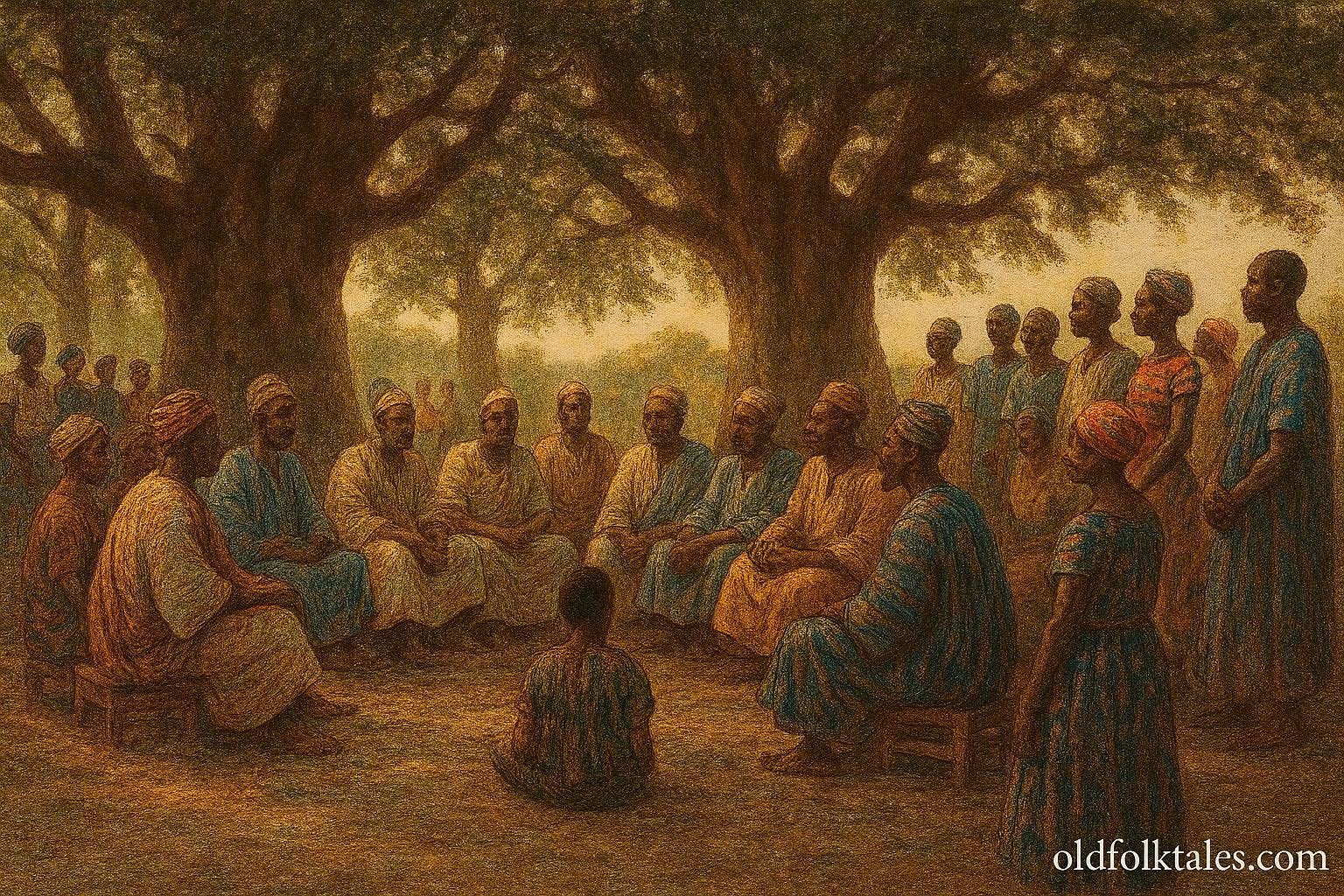
The central meeting place was carefully prepared. Mats were arranged beneath large trees, and seating was organized so that neither community appeared favored. Elders believed that even small details mattered when seeking justice.
The gathering began with traditional greetings and expressions of mutual respect. Participants were reminded that the purpose of the meeting was not to produce winners and losers but to restore harmony.
The first day was devoted to listening.
Representatives from each community presented their understanding of the dispute. Elders spoke about ancestral claims. Farmers described their concerns. Traders explained how the disagreement was affecting commerce. Every speaker was given an opportunity to be heard without interruption.
This process required patience.
Many participants arrived expecting immediate decisions. Instead, they discovered that understanding the problem fully was an important first step toward solving it.
As discussions continued, an important realization emerged.
Although both communities disagreed about specific claims, they shared many common concerns. Both wanted stability. Both wanted future generations to prosper. Both valued peace and respected customary law.
Recognizing these shared interests changed the atmosphere.
Rather than viewing one another as opponents, participants gradually began seeing themselves as partners facing a common challenge.
The second phase of the gathering focused on evidence and memory.
Elders recounted oral histories passed down through generations. They described migration routes, settlement patterns, and earlier agreements that had shaped relationships between the communities. Genealogies were examined, and respected historians shared their knowledge.
Because written records were limited, oral tradition played a central role.
The elders treated these accounts with great care. Different versions were compared respectfully, and participants worked together to identify points of agreement.
During these discussions, another important fact emerged.
The contested land had not always been viewed as belonging exclusively to one community. In earlier generations, certain areas had been used cooperatively during times of need. Historical arrangements allowed flexibility depending on harvest conditions and population changes.
This discovery encouraged creative thinking.
Instead of asking which side should completely control the land, participants began considering how shared responsibilities might benefit everyone.
For several days, discussions continued.
At times, emotions resurfaced. Some participants worried that compromise might weaken their community’s position. Others feared that old grievances would never be resolved.
Whenever tensions increased, the elders reminded everyone of the gathering’s purpose.
They emphasized that justice required careful listening, while peace required courage.
Gradually, proposals began to take shape.
The final agreement recognized historical connections held by both communities. Clear guidelines were established regarding land use, resource management, and conflict resolution. Mechanisms were created to address future disagreements before they became serious problems.
Most importantly, the agreement emphasized ongoing cooperation.
Representatives pledged to maintain regular communication and to consult one another whenever issues arose. Joint activities were organized to strengthen relationships between families on both sides.
When the settlement was finally announced, many participants felt relieved.
The agreement did not give either community everything it wanted. Instead, it provided something more valuable foundation for lasting peace.
The gathering concluded with celebrations that included shared meals, music, and exchanges of gifts. People who had spent months viewing one another with suspicion now sat together in conversation.
Traders welcomed the return of stability.
Farmers resumed their work with renewed confidence.
Families renewed friendships that had been strained during the dispute.
In the years that followed, the agreement proved successful.
Challenges still emerged from time to time, but the communities now possessed established methods for addressing them. Rather than allowing disagreements to escalate, they relied on dialogue, customary law, and mutual respect.
The story of the Peace Gathering at Bondoukou spread throughout the region.
Elders shared it whenever communities faced disputes that seemed difficult to resolve. The gathering became an example of how patience, fairness, and cooperation could transform conflict into understanding.
Generations later, the event remained an important part of oral tradition.
Listeners were reminded that peace is rarely achieved through force alone. Lasting peace requires listening, compromise, and a willingness to recognize the humanity of others.
The people of Bondoukou understood that disagreements are a natural part of community life. What truly matters is how those disagreements are addressed.
By choosing dialogue over hostility and justice over pride, the rival communities created a legacy that endured long after the original dispute had been forgotten.
Their story continues to teach that unity does not require complete agreement. Instead, unity grows when people commit themselves to fairness, respect, and the shared pursuit of peace.
Click here to discover more legendary tales from West Africa
Moral Lesson
Lasting peace is achieved through dialogue, fairness, and a willingness to seek common ground.
Knowledge Check
1. What caused the dispute between the communities?
A disagreement over access to fertile land between their territories.
2. Why was Bondoukou chosen for the gathering?
Bondoukou was a respected regional center known for trade, diplomacy, and cooperation.
3. How did the elders approach the conflict?
They encouraged listening, dialogue, and respect for customary law.
4. What helped change the atmosphere of the discussions?
Participants realized they shared common goals such as peace, stability, and prosperity.
5. What was the outcome of the gathering?
The communities reached a fair agreement that promoted cooperation and prevented future conflicts.
6. What is the main lesson of the story?
Justice and peace are strengthened when people choose dialogue and mutual respect.
Source
Adapted from Abron oral traditions, customary conflict-resolution practices, and historical narratives associated with Bondoukou oral tradition archives in Côte d’Ivoire.