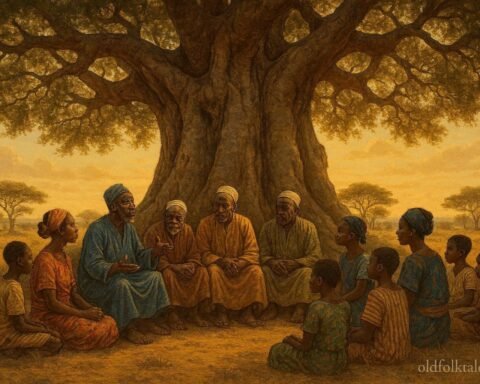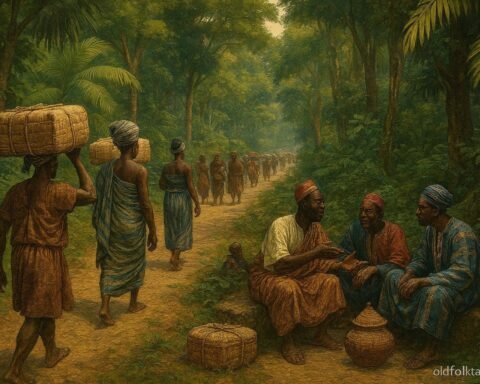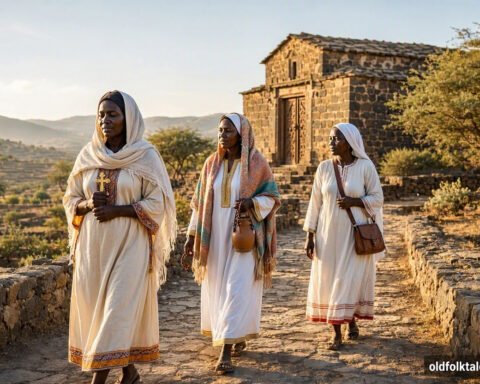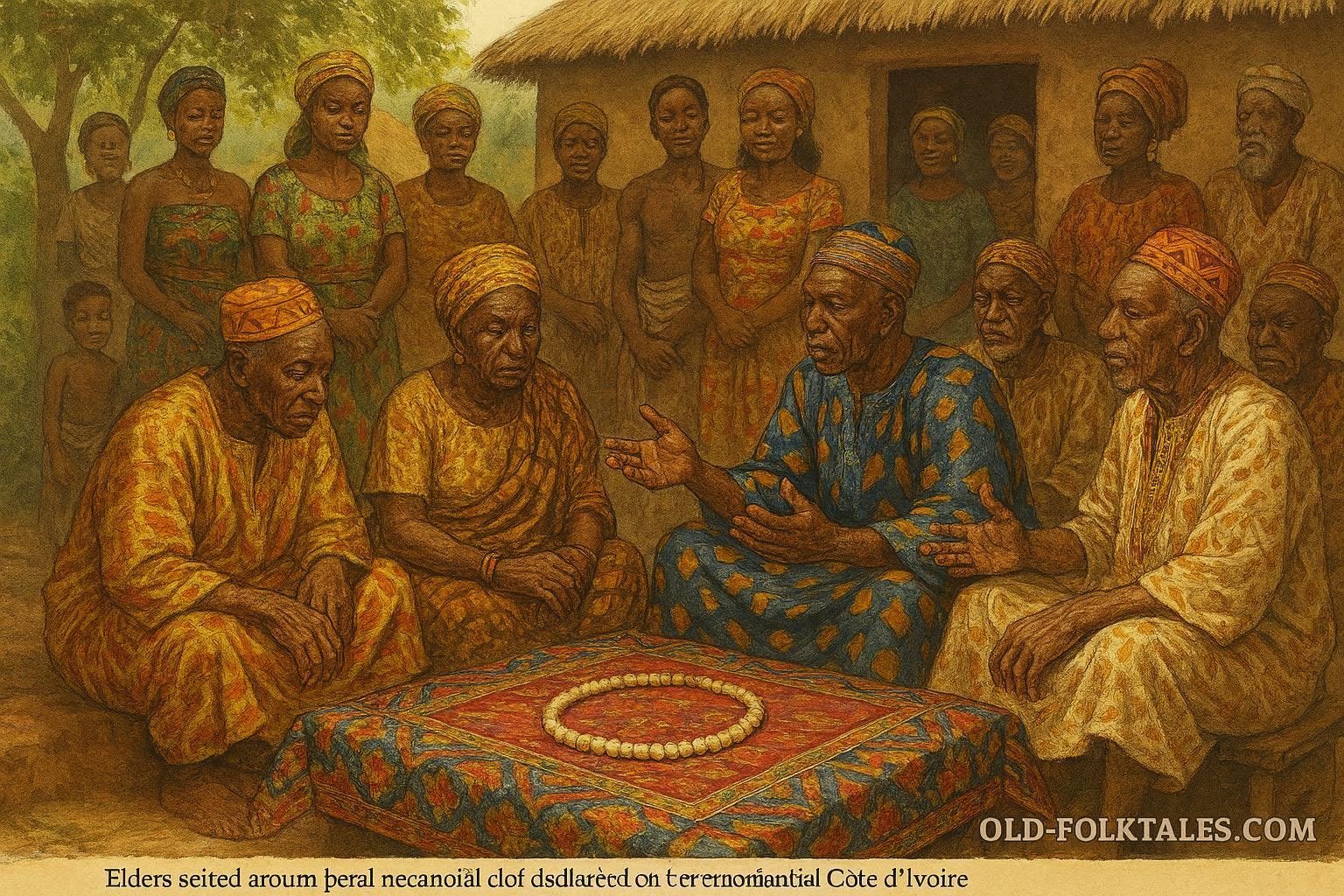
In the lush eastern region of Côte d’Ivoire, where the Agni people established prosperous kingdoms and thriving communities, the town of Abengourou was known for its respected families, rich traditions, and strong sense of heritage. Among the many lineages that called the region home was a family whose history stretched back through countless generations. Their ancestors had served as advisors, farmers, traders, and community leaders. Stories of their achievements were shared during family gatherings and important ceremonies.
The greatest treasure possessed by this lineage was not a piece of land or a collection of wealth. It was a beautiful pearl necklace that had been passed from one generation to the next for as long as anyone could remember. The necklace consisted of carefully crafted pearls strung together with remarkable skill. Each generation added its own stories to the history of the heirloom, making it a symbol of continuity and family identity.
According to family tradition, the necklace had first belonged to an ancestor remembered for bringing peace during a period of conflict. Rather than using force or threats, this ancestor relied upon wisdom, patience, and fairness to settle disagreements among relatives. After peace was restored, the necklace became associated with reconciliation and justice.
If you liked this story, see our Central African folktales collection
For many years, the heirloom appeared during important family occasions. It was displayed at weddings, naming ceremonies, and gatherings where major decisions were made. Elders often pointed to the necklace as a reminder that family unity was more valuable than personal ambition.
As generations passed, the lineage grew larger. New branches of the family settled in different villages and towns. While most relationships remained strong, occasional disagreements emerged. Some disputes involved land. Others concerned inheritance, leadership responsibilities, or interpretations of family traditions.
One year, a particularly serious disagreement arose.
Two branches of the lineage became involved in a conflict over ancestral property. Both groups believed they possessed legitimate claims, and neither side seemed willing to compromise. What began as a disagreement among a few relatives gradually expanded until it affected the wider family.
Family gatherings became tense.
Conversations that once brought laughter and friendship now ended in frustration. Relatives stopped visiting one another as frequently. Younger family members grew confused as they watched respected elders argue over matters they barely understood.
The family council attempted to resolve the dispute.
Meetings were held, and elders listened carefully to each side. Historical accounts were examined, and witnesses shared what they knew. Despite these efforts, the disagreement continued.
During this difficult period, another problem emerged.
The pearl necklace disappeared.
No one knew exactly when it had vanished. Some believed it had been misplaced during a ceremony. Others suspected it had been hidden for safekeeping and forgotten. A few whispered that someone involved in the dispute might have taken it.
The loss troubled everyone.
The necklace represented more than a valuable object. It embodied the shared history of the entire lineage. Without it, many felt that an important connection to their ancestors had been broken.
Months passed without any sign of the heirloom.
Meanwhile, tensions within the family continued to grow.
Then something unexpected happened.
Preparations were underway for a large gathering intended to address the dispute once again. Relatives traveled from different communities to attend. Elders hoped that one final effort might prevent a lasting division within the lineage.
On the morning of the gathering, one of the oldest women in the family entered a storage room used for ceremonial items. While searching for traditional cloths needed for the event, she noticed a wooden container tucked behind several baskets.
Curious, she opened it.
Inside lay the pearl necklace.
The discovery spread quickly through the household.
Family members gathered around the container in amazement. The necklace appeared untouched despite its long absence. Many regarded its return as a significant moment.
When the gathering began later that day, the necklace was placed at the center of the meeting.
The elders used the occasion to remind everyone of its history.
They recounted the story of the ancestor who had chosen peace over conflict. They spoke about earlier generations who overcame disagreements through patience and dialogue. They reminded younger relatives that the necklace had never symbolized power or privilege. Instead, it represented responsibility and unity.
As the discussions continued, the atmosphere began to change.
People listened more carefully than before.
Relatives who had spent months defending their positions started reflecting upon the broader consequences of the dispute. They realized that winning an argument would mean little if the family itself became divided.
The elders encouraged both sides to focus on shared interests rather than individual demands.
They asked participants to consider what future generations would inherit if the conflict continued. Would children remember a family strengthened by cooperation or weakened by division?
These questions prompted thoughtful discussion.
Gradually, compromises began to emerge.
Historical records and oral traditions were reviewed again. Alternative solutions were proposed. Instead of seeking complete victory, family representatives worked toward arrangements that acknowledged the concerns of both sides.
The process required patience.
At times, emotions resurfaced. Old grievances were difficult to forget. Yet the presence of the necklace served as a constant reminder of the values the family claimed to uphold.
Eventually, an agreement was reached.
The settlement addressed the immediate dispute while preserving relationships among relatives. More importantly, it restored trust within the lineage.
The gathering concluded with celebrations and expressions of gratitude.
For many participants, the return of the necklace symbolized the return of harmony itself. Whether its reappearance was coincidence or destiny mattered less than the lesson it inspired.
In the years that followed, the story became part of Agni oral tradition.
Whenever disagreements threatened family unity, elders retold the tale of the Pearl Necklace of Abengourou. They reminded listeners that heritage involves more than inheriting property or possessions. True heritage includes values, relationships, and responsibilities passed from one generation to the next.
The necklace continued appearing at important family events, but its significance grew even deeper. It became a symbol of reconciliation and the wisdom required to place collective well being above personal interests.
Generations later, people still shared the story.
They remembered how a treasured heirloom helped relatives rediscover what truly mattered. The lesson remained clear. Families endure not because they avoid disagreements, but because they possess the courage and wisdom to resolve them fairly.
The Pearl Necklace of Abengourou therefore remained more than an object. It became a lasting reminder that unity, justice, and respect for heritage are among the most valuable treasures any family can possess.
Click here to discover more legendary tales from West Africa
Moral Lesson
Family unity is strengthened when people choose reconciliation, fairness, and respect for shared heritage.
Knowledge Check
1. What made the pearl necklace important to the family?
It symbolized their history, unity, and ancestral heritage.
2. What dispute threatened the lineage?
A disagreement over ancestral property between two branches of the family.
3. What happened during the conflict?
The pearl necklace mysteriously disappeared.
4. Where was the necklace eventually found?
Inside a wooden container in a storage room used for ceremonial items.
5. How did the necklace help resolve the dispute?
It reminded relatives of their shared history and encouraged reconciliation.
6. What is the main lesson of the story?
Family harmony is more valuable than personal victory.
Source
Adapted from Agni oral traditions, family heritage narratives, and oral history materials preserved in Agni oral heritage archives of eastern Côte d’Ivoire.