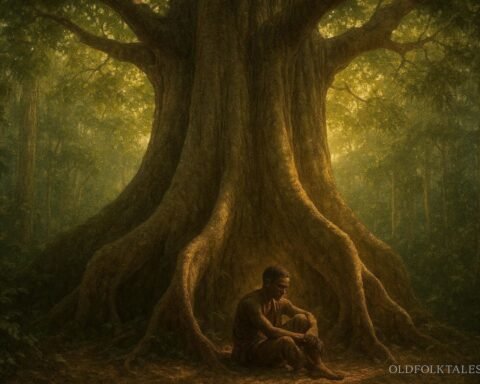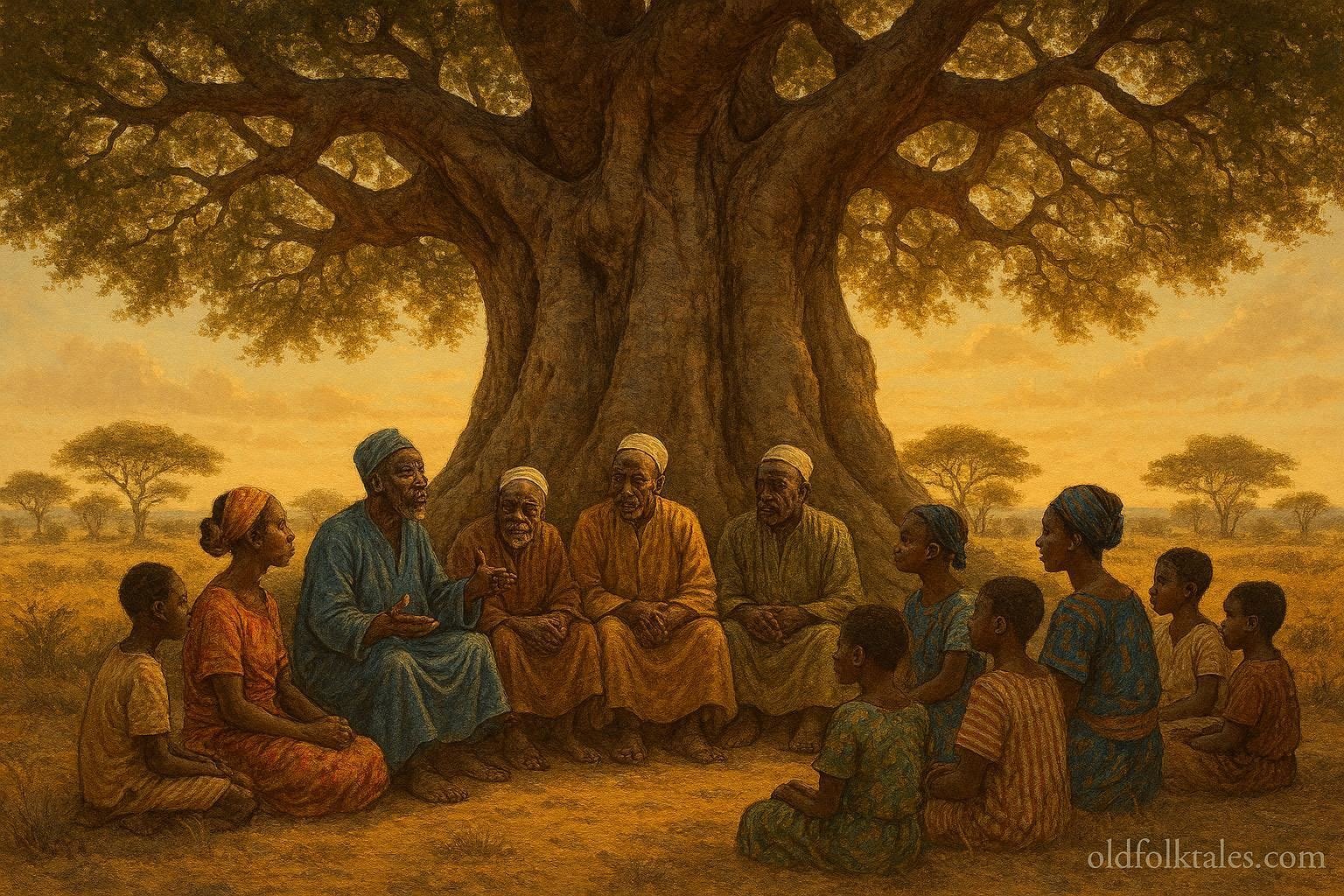
In the northern lands of Côte d’Ivoire, where the Sénoufo people built thriving communities among rolling plains and fertile fields, there stood an enormous baobab tree not far from Korhogo. The tree was unlike any other in the region. Its trunk was so wide that several adults joining hands could not completely encircle it. Its branches stretched across the sky like the arms of a giant guardian watching over the land.
Generations of villagers had grown up in its shadow. Children played beneath its branches, elders rested beside its roots, and travelers often stopped there before continuing their journeys. Over time, the baobab became more than a landmark. It became a symbol of memory, wisdom, and continuity.
According to local tradition, the tree had stood for so long that no one could remember when it first appeared. Elders said it had witnessed the arrival of families, the founding of villages, seasons of abundance, and periods of hardship. Because of its great age, people believed the baobab carried the memory of countless generations.
Among the villagers lived a young man named Fodé. He was intelligent and hardworking, but he often felt uncertain about his future. Many of his friends seemed to know exactly what path they wished to follow. Some planned to become farmers like their fathers. Others learned trades passed down through their families. Fodé, however, struggled to understand where he belonged.
Don’t stop yet! See our complete East African folktales collection
Whenever elders spoke about family history, he listened with interest. Yet much of what they discussed seemed distant and incomplete. He knew the names of his grandparents and great grandparents, but beyond that, the stories became difficult to follow. He often wondered how his family had come to settle in the region and what experiences had shaped the lives of those who came before him.
One evening, after expressing these concerns to his grandfather, he received unexpected advice.
The old man suggested that he spend time beneath the great baobab.
At first, Fodé was confused. He had visited the tree many times before and saw it as little more than a gathering place.
His grandfather smiled.
He explained that the baobab could not speak as people do, nor could it reveal secrets through magic. Its wisdom came from something much deeper. People who sat quietly beneath its branches often found themselves reflecting on stories, memories, and lessons that might otherwise be forgotten.
Curious, Fodé decided to follow the advice.
The next morning, he walked to the baobab before sunrise. The air was cool, and the village was still quiet. Sitting beneath the enormous tree, he listened to the sounds of birds moving among the branches above.
At first, nothing unusual happened.
Yet as he sat in silence, he began remembering stories he had heard throughout childhood. He recalled evenings when elders gathered around fires and shared accounts of migrations, harvests, celebrations, and challenges. Details he had long forgotten slowly returned to his mind.
Over the following weeks, Fodé continued visiting the tree.
Each visit inspired new questions. He began speaking with older relatives and asking them about family history. He listened carefully as grandparents described earlier generations. He learned about ancestors who had traveled long distances in search of fertile land. He heard stories of leaders who helped resolve disputes and families who worked together during difficult times.
The more he learned, the more he realized how much knowledge existed within the community.
Many younger people rarely asked about these stories. As a result, important memories risked being forgotten.
Inspired by this realization, Fodé began recording what he learned. Whenever elders shared historical accounts, he listened attentively and preserved the details. He discovered connections between families that many people had overlooked. He learned how certain traditions originated and why particular customs remained important.
Meanwhile, the reputation of the baobab continued to grow.
People from neighboring villages visited when they faced important decisions. Some sought guidance during disputes. Others wished to understand their family histories more deeply. Elders often encouraged them to spend time beneath the tree before seeking advice elsewhere.
The reason was simple.
The baobab encouraged reflection.
Far from the noise and distractions of daily life, people found space to think carefully about their circumstances. They remembered lessons taught by parents and grandparents. They considered the experiences of earlier generations. Through reflection, many discovered answers they had overlooked.
One year, a disagreement arose between several families concerning land boundaries that had existed for generations. The dispute threatened to create lasting divisions within the community.
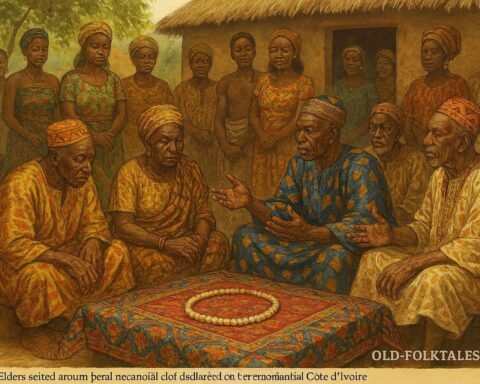
Rather than rushing to judgment, the elders organized a gathering beneath the baobab.
There, representatives from each family shared their perspectives. Historical accounts were discussed. Elders recounted stories passed down from earlier generations. As the discussion continued, forgotten details emerged that helped clarify the origins of the disagreement.
The process required patience, but eventually the families reached an understanding.
Many later credited the gathering beneath the baobab for creating an atmosphere where people could listen respectfully and learn from the wisdom of the past.
As the years passed, Fodé became one of the community’s most respected storytellers and historians. He understood that the true gift of the baobab was not supernatural knowledge. Instead, the tree reminded people of the importance of memory.
Every community possesses a wealth of experience accumulated across generations. Yet that wisdom can only survive if people make the effort to preserve and share it.
Whenever children asked why the baobab was considered special, Fodé explained that its value came from what it represented.
Its roots symbolized ancestry.
Its trunk symbolized strength and continuity.
Its branches symbolized the many lives connected through history.
The tree stood as a living reminder that no individual exists alone. Every person is part of a larger story shaped by those who came before and those who will come after.
Over time, the tale of the Baobab of Korhogo spread throughout the region. Travelers carried the story to distant communities. Elders shared it with younger generations. Families repeated it during gatherings and celebrations.
The story endured because its lesson remained relevant.
People often search for guidance in distant places while overlooking the wisdom already present within their own communities. By remembering history, listening to elders, and valuing ancestral knowledge, individuals gain a deeper understanding of themselves and their responsibilities.
The great baobab continued standing through changing seasons and passing generations. Its presence reminded everyone who gathered beneath its branches that memory is a treasure, wisdom grows through reflection, and communities become stronger when they preserve the stories of their ancestors.
If you enjoyed this story, explore our full West African folktales collection
Moral Lesson
Understanding the past helps guide wise decisions in the present and strengthens the future of a community.
Knowledge Check
1. Why was the baobab tree respected by the people of Korhogo?
Because it symbolized memory, wisdom, and the history of many generations.
2. What concern brought Fodé to the baobab?
He was uncertain about his future and wanted to understand his family history.
3. Did the tree possess magical powers?
No. Its value came from encouraging reflection and preserving community memory.
4. What did Fodé do after learning more about his ancestors?
He began recording stories and preserving historical knowledge shared by elders.
5. How did the baobab help resolve community disputes?
It served as a gathering place where people could discuss issues and learn from historical accounts.
6. What is the main lesson of the story?
Remembering and preserving history helps communities make wiser decisions.
Source
Adapted from Sénoufo oral traditions, community storytelling practices, and West African oral literature collections concerning ancestral memory and sacred gathering trees.