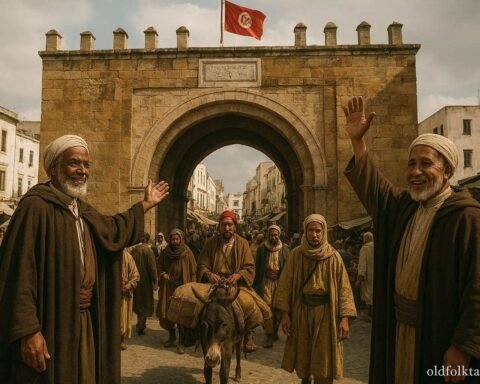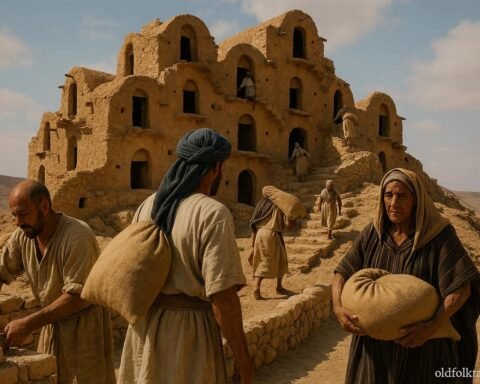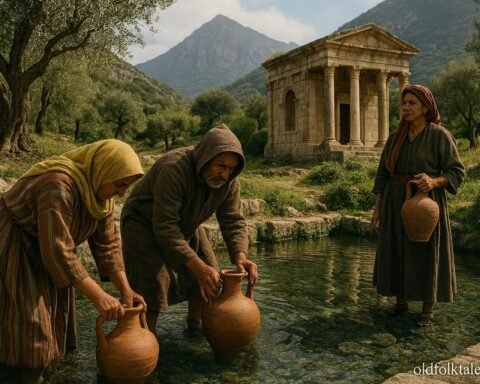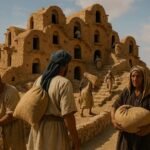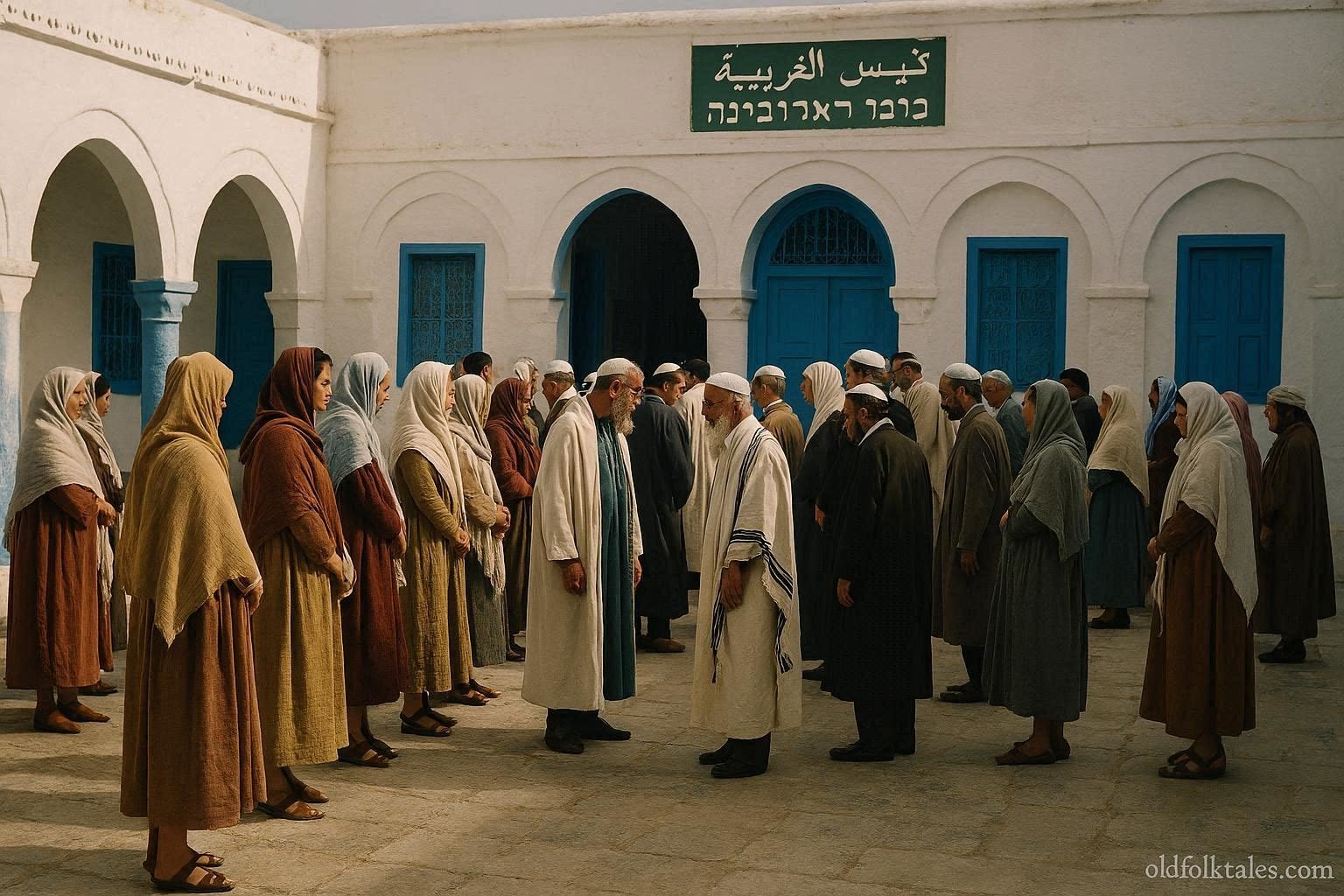
For more than a thousand years, the island of Djerba has welcomed travelers arriving by land and sea. Situated off Tunisia’s southeastern coast, the island has long been known for its whitewashed villages, thriving markets, olive groves, and diverse cultural traditions. Among its most treasured landmarks stands the Ghriba Synagogue, one of the oldest synagogues in Africa and one of the most important places of pilgrimage for Jewish communities in North Africa.
Long before modern roads and ferries connected the island to the mainland, pilgrims made the journey with hope in their hearts. Some traveled from nearby Tunisian towns, while others crossed the Mediterranean from distant countries. Although their languages and customs sometimes differed, they shared a common purpose to gather in prayer, honor centuries of tradition, and celebrate a heritage carefully preserved through generations.
The annual pilgrimage became more than a religious event.
It became a celebration of community.
Families prepared for months before welcoming visitors. Homes were cleaned, guest rooms were made ready, and tables were filled with traditional foods prepared for relatives, friends, and strangers alike. Throughout Djerba, hospitality was regarded as an important responsibility, and every guest was treated with kindness and respect.
Among the island’s residents lived a curious young boy named David.
Want more? Read more West African folktales now
Each year, he watched the village transform as pilgrims began arriving from different places. Streets became livelier, conversations filled the marketplaces, and the synagogue welcomed people of every age.
One afternoon, David asked his grandmother, Miriam,
“Why do so many people travel such long distances just to come here?”
His grandmother smiled warmly.
“They come because this place carries the prayers and memories of countless generations.”
She explained that the Ghriba Synagogue had remained a symbol of faith and perseverance for centuries. Generation after generation had cared for the building, protected its traditions, and welcomed pilgrims seeking peace, gratitude, and spiritual renewal.
As preparations continued, David eagerly volunteered to help.
He swept the courtyard surrounding the synagogue.
He arranged chairs for elderly visitors.
He carried fresh water to travelers arriving after long journeys.
His grandfather reminded him that service was one of the greatest expressions of faith.
“Every act of kindness,” he said, “becomes part of the pilgrimage.”
Soon the island was filled with joyful activity.
Families reunited after many months apart.
Children played together beneath the shade of ancient trees.
Musicians performed traditional melodies that echoed through the streets.
Local artisans displayed beautifully crafted ceramics, woven baskets, embroidered textiles, and silver jewelry reflecting the island’s rich cultural heritage.
The pilgrimage brought together not only worshippers but also neighbors from different communities who helped welcome visitors.
Many Muslim families living on the island also extended hospitality by assisting guests, offering directions, sharing meals, and participating in the welcoming atmosphere that had become part of Djerba’s identity.
David admired how respect and kindness crossed religious boundaries.
One evening, while lighting lanterns in the courtyard, David noticed an elderly pilgrim sitting quietly beneath a fig tree.
The man had traveled from another country for the first time.
David approached politely and offered him a cup of water.
The visitor smiled with gratitude.
“I have dreamed of coming here since I was a child,” he said.
David sat beside him and listened as the man shared stories passed down by his grandparents, who had also made the pilgrimage many years earlier.
Although they came from different generations and different places, they discovered they shared many of the same hopes.
They both valued family.
They both cherished tradition.
They both believed that faith should encourage compassion.
The following morning, the synagogue welcomed worshippers gathered in quiet prayer.
The atmosphere was peaceful and respectful.
Some people prayed in silence.
Others reflected upon the lives of parents and grandparents who had once stood in the same place.
Many offered prayers of gratitude for health, family, and safe journeys.
David observed that every visitor carried a different story, yet they all found comfort in preserving a tradition older than anyone present.
As the days of celebration continued, village elders organized cultural activities that introduced younger generations to the history of Djerba’s Jewish community.
Children learned traditional songs, listened to historical stories, and discovered why preserving both faith and heritage mattered.
Miriam reminded them,
“Traditions survive because each generation chooses to care for them.”
When the pilgrimage drew to a close, families gathered one final time before visitors began their journeys home.
They exchanged warm farewells and promises to meet again the following year.
The streets gradually became quieter, but the friendships formed during the pilgrimage remained.
David realized that although the celebration lasted only a few days, its lessons remained throughout the year.
Faith inspired service.
Hospitality strengthened friendships.
Respect preserved peace.
Years passed.
David grew into adulthood and became one of the volunteers responsible for welcoming new pilgrims.
He remembered the kindness shown to him as a child and made every effort to extend the same generosity to others.
Whenever young visitors asked why the pilgrimage remained important after so many centuries, he answered with the words his grandmother had once shared.
“This place preserves more than buildings.”
“It preserves memory, hope, and the belief that people can live together with mutual respect.”
Today, the Ghriba Synagogue continues to welcome pilgrims and visitors from around the world. The annual pilgrimage remains one of Tunisia’s best-known religious and cultural traditions, reflecting the enduring heritage of Djerba’s Jewish community and the island’s long history of peaceful coexistence among diverse cultures and faiths.
The story of Ghriba Pilgrimage of Djerba reminds us that traditions endure when they are nurtured through faith, hospitality, understanding, and respect for one another.
Fascinated by this tale? Discover more North African folktales
Moral Lesson
Faith is strengthened through kindness, and communities flourish when they welcome others with respect and hospitality.
Knowledge Check
1. Where does the Ghriba Pilgrimage take place?
At the Ghriba Synagogue on the island of Djerba in Tunisia.
2. Why do pilgrims travel to the Ghriba Synagogue?
To pray, honor centuries of tradition, and celebrate their religious heritage.
3. How did David help during the pilgrimage?
He welcomed visitors, cleaned the synagogue courtyard, arranged seating, and offered water to travelers.
4. What role did hospitality play in the pilgrimage?
Families and neighbors welcomed visitors with kindness, making everyone feel respected and at home.
5. What did David learn from the elderly pilgrim?
That faith, family, and tradition can unite people across generations and cultures.
6. What is the main lesson of the story?
Respect, hospitality, and shared traditions help build peaceful and lasting communities.
Source
Adapted from the traditions of the Ghriba Synagogue in Djerba, with reference to the Tunisian Ministry of Culture, Jewish heritage archives, and historical studies of the annual Ghriba pilgrimage.