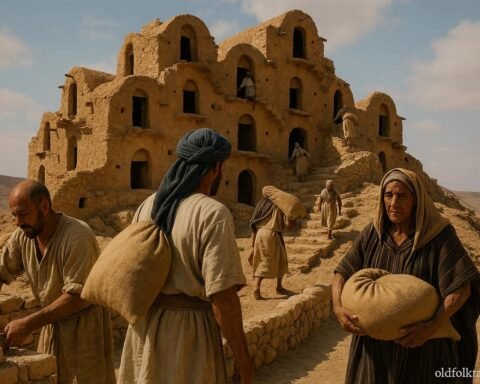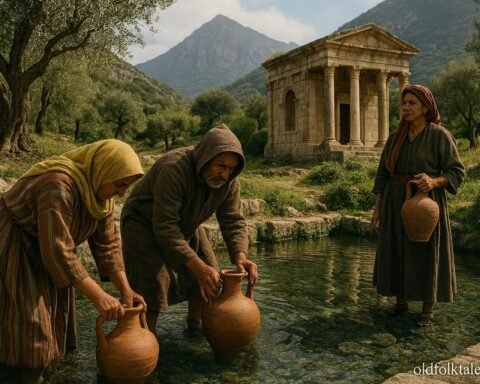
Long before modern pipelines carried water into homes, the ancient city of Uthina, located in northern Tunisia, depended upon remarkable underground engineering to ensure its survival. Built upon gently rising hills overlooking fertile countryside, the city flourished because its people understood one simple truth: every drop of water was precious.
The Mediterranean climate brought generous rains during part of the year, but long, dry summers often followed. Without careful planning, wells could shrink, crops could suffer, and daily life could become difficult. Rather than leaving their future to chance, generations of builders, craftsmen, and community leaders created an extensive network of underground cisterns designed to capture, store, and protect rainwater.
Though hidden beneath streets, homes, public buildings, and courtyards, these cisterns quietly sustained life above them. Over time, they became symbols of wisdom, preparation, and responsible stewardship. Stories passed from one generation to the next celebrated not only the impressive structures themselves but also the values they represented, careful planning, cooperation, and respect for natural resources.
Among the families living near the ancient city was a curious teenager named Idris.
Keep reading: Discover more Central African folktales
Unlike many of his friends, Idris enjoyed exploring old stone pathways and listening to the stories shared by the village elders. He often wondered how a thriving city could once have existed in a place where rain did not fall throughout the year.
One afternoon, while helping his grandfather repair a stone wall near the archaeological ruins, Idris noticed a narrow staircase disappearing beneath the ground.
“Grandfather,” he asked, “where does that passage lead?”
His grandfather, Hassan, smiled knowingly.
“It leads to the city’s greatest treasure.”
Surprised, Idris looked around.
“But I don’t see any treasure.”
“You won’t find it above the ground,” Hassan replied.
“The most valuable treasures are sometimes the ones people cannot see.”
The following morning, Hassan received permission from local caretakers to show Idris one of the preserved underground cisterns.
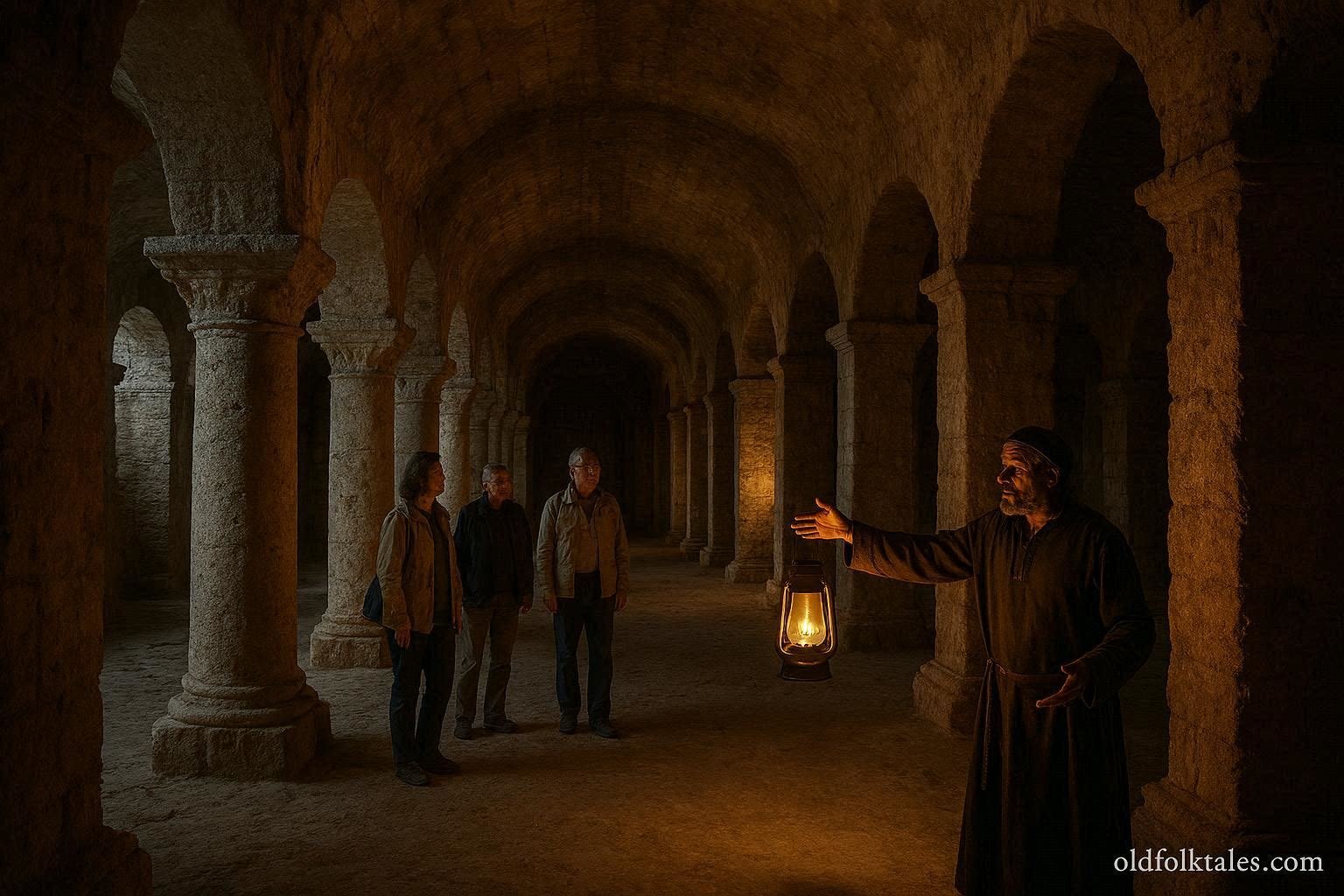
Carrying small lanterns, they carefully descended the ancient stone steps.
The air immediately became cooler.
The sounds of the outside world faded.
Before them stretched a vast underground chamber supported by sturdy stone columns.
Its walls were coated with smooth waterproof plaster that had helped preserve water for centuries.
Idris stood silently in amazement.
“It looks like an underground palace,” he whispered.
Hassan nodded.
“It was built for something even more valuable.”
He gently touched the stone wall.
“Water.”
Hassan explained that during the rainy months, water flowed from rooftops, courtyards, and carefully designed channels into these enormous reservoirs.
Engineers had carefully calculated slopes so that rainwater reached the cisterns without being wasted.
The chambers protected the stored water from the hot Tunisian sun, reducing evaporation and keeping it available throughout the dry season.
“Every family benefited,” Hassan explained.
“Every builder played a part.”
“Every citizen understood that water belonged to the entire community.”
As they explored further, Idris noticed several connected chambers.
“Why are there so many?”
“If one required cleaning or repairs,” Hassan answered, “the others continued serving the city.”
The builders had planned not only for ordinary days but also for unexpected challenges.
Idris admired their foresight.
Weeks later, heavy winter rains arrived.
Standing near one of the ancient collection channels, Hassan showed his grandson how rainwater naturally flowed toward the underground reservoirs.
Although centuries had passed since the system had been fully used, its intelligent design remained easy to understand.
“It wastes almost nothing,” Idris observed.
“Exactly,” Hassan replied.
“Our ancestors respected water because they understood its value.”
During the following months, Idris began noticing water in entirely different ways.
He watched farmers carefully irrigate olive groves.
He observed shepherds leading their flocks to drinking places without wasting supplies.
He listened as elderly women reminded children never to leave flowing water unattended.
Every custom reflected the same lesson.
Nature’s gifts deserved respect.
One spring, a group of students from another town visited Uthina to learn about its archaeological heritage.
The local guide explained the history of temples, baths, theaters, and public buildings.
When the tour reached the underground cisterns, Idris eagerly shared what he had learned.
“The builders understood that a city could not survive without planning,” he explained.
“They didn’t simply collect rain.”
“They protected the future.”
The visitors were impressed.
Several admitted they had never imagined ancient engineers could design such sophisticated water systems.
One teacher remarked,
“Technology changes.”
“But wisdom never grows old.”
Years passed, and Idris became deeply interested in history and conservation.
He volunteered alongside archaeologists and heritage workers helping visitors understand Uthina’s remarkable past.
Rather than focusing only on impressive buildings above ground, he always encouraged guests to appreciate the hidden engineering beneath their feet.
“People admire monuments they can see,” he often said.
“But civilizations often survive because of the things they build out of sight.”
His words reminded visitors that true greatness is not always measured by grand appearance but by thoughtful preparation.
As new generations arrived, Idris continued telling the stories his grandfather had shared.
Children listened with fascination as they descended into the cool underground chambers.
Many left with a new appreciation for water conservation and the ingenuity of those who came before them.
One day, a young visitor asked,
“Why did they work so hard to build something no one could admire?”
Idris smiled.
“They were not building for praise.”
“They were building so that families would always have water.”
The child reflected on those words.
For the first time, he understood that the greatest achievements are often those created to serve others rather than to attract attention.
Today, the archaeological site of Uthina continues to preserve remarkable examples of Roman-era water engineering, including its underground cisterns, reservoirs, and hydraulic systems. These structures demonstrate the ingenuity of ancient builders while reminding modern generations of the enduring importance of conserving water in regions where every drop matters.
The story of Uthina’s Hidden Cisterns teaches that wise communities prepare for the future by respecting natural resources, sharing responsibility, and recognizing that the strongest foundations are often the ones hidden beneath the surface.
Fascinated by this tale? Discover more North African folktales
Moral Lesson
Wise planning and responsible use of natural resources help communities thrive through every season.
Knowledge Check
1. Why were the cisterns built beneath Uthina?
To collect and safely store rainwater for use during dry seasons.
2. What did Idris discover beneath the city?
A network of large underground cisterns supported by stone columns.
3. How did the cisterns protect the water?
They kept it cool, reduced evaporation, and stored it safely underground.
4. What lesson did Hassan teach Idris?
That careful planning and respect for water benefit the entire community.
5. Why were several cisterns connected together?
So others could continue supplying water if one needed cleaning or repairs.
6. What is the main lesson of the story?
Communities become stronger when they wisely protect and share their natural resources.
Source
Adapted from archaeological research on Uthina, publications of the Institut National du Patrimoine (Tunisia), and studies of ancient Roman water management systems in Tunisia.