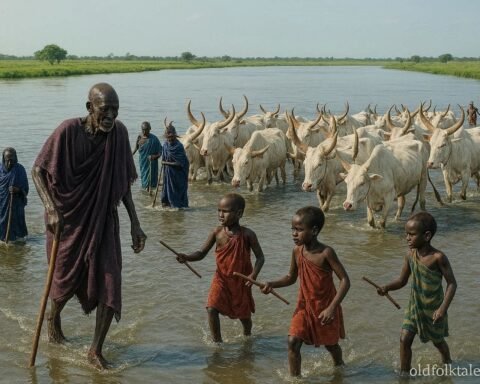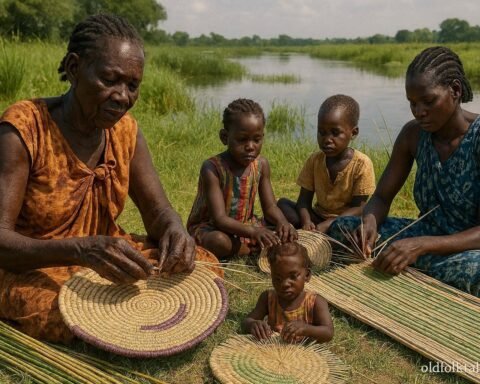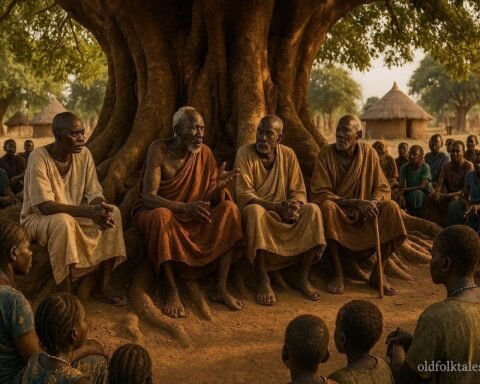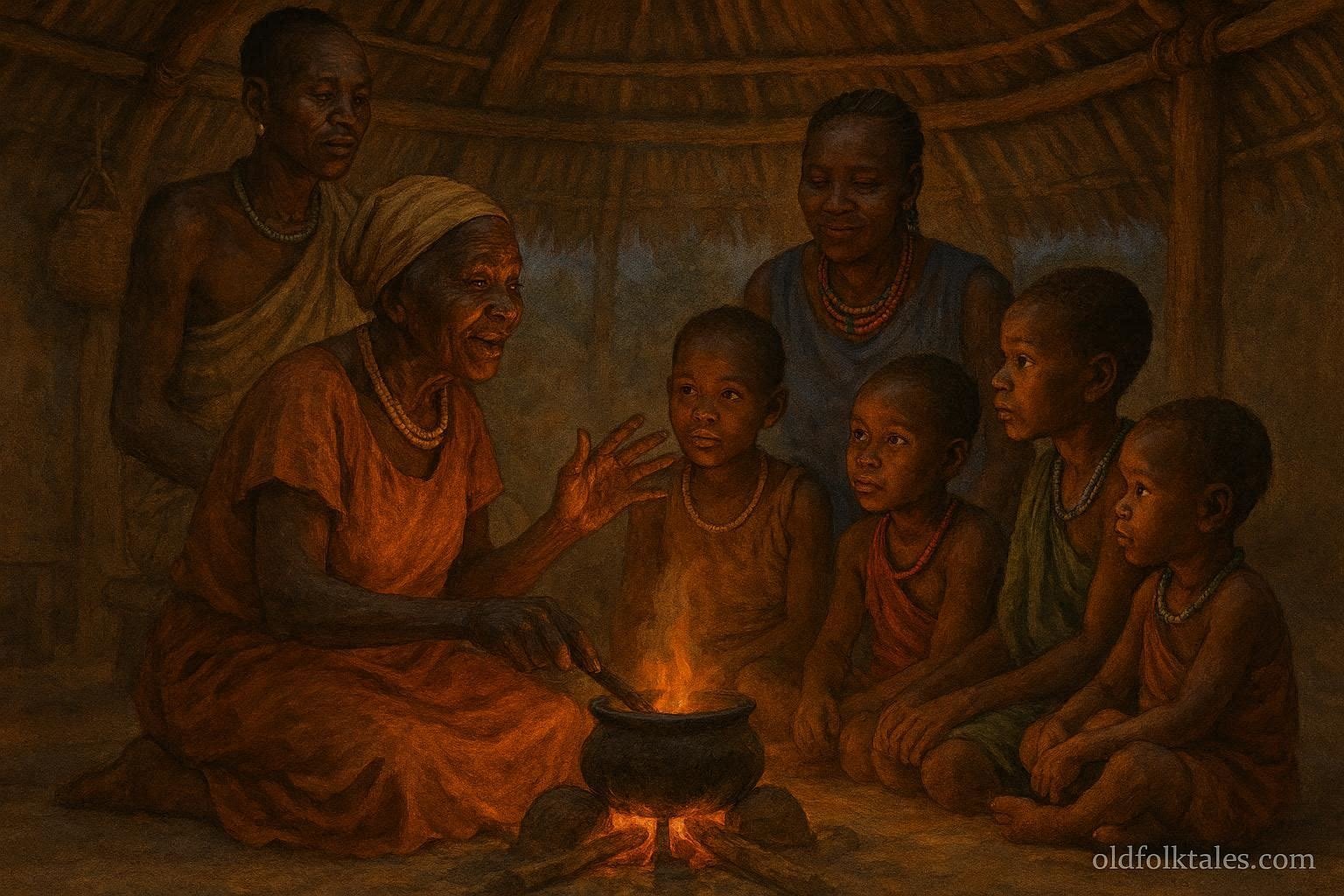
In the heart of Central Equatoria in South Sudan, the Bari people have preserved a rich cultural heritage built upon family, cooperation, hospitality, and respect for elders. Every generation has understood that a strong community begins with a strong home, and a strong home begins with family members who learn, work, and grow together. Within every traditional Bari home stood a simple but meaningful structure that represented far more than a place to prepare food. It was the clay hearth, carefully shaped by skilled hands and placed at the center of family life. Around this hearth, children listened to the voices of their grandparents, parents shared the events of each day, visitors received warm hospitality, and valuable lessons became part of everyday conversation. Although the clay hearth appeared ordinary to an outsider, it remained one of the greatest symbols of Bari culture because it united the family while preserving knowledge that could not be written in books.
The Bari people believed that wisdom should never remain silent. Knowledge was meant to be spoken, demonstrated, and shared through everyday life. While food slowly cooked over glowing embers, grandparents used the quiet moments to explain the customs of their ancestors, the importance of honesty, the value of cooperation, and the responsibility every person carried toward the community. The warmth of the fire encouraged conversation, but it also reminded everyone that kindness and unity required constant care. Just as the fire needed fresh wood to continue burning, family relationships needed patience, understanding, and mutual respect to remain strong.
In one peaceful Bari village lived a bright young girl named Nasiya. She loved the evenings more than any other part of the day because every member of her family gathered around the clay hearth after returning from their daily work. Her father came home carrying farming tools across his shoulder. Her mother arrived with fresh vegetables collected from the garden. Her older brothers returned after caring for goats grazing beyond the village. Even before the evening meal was ready, laughter filled the house as everyone settled around the warm fire.
If you enjoyed this story, explore our full West African folktales collection
Nasiya often watched her grandmother preparing food over the clay hearth with calm and steady movements. Every piece of firewood was placed carefully. Every cooking pot rested securely upon the smooth clay surface. The old woman never appeared hurried even though she prepared meals for many people each day.
One evening Nasiya finally asked,
“Grandmother, why do you always smile while cooking?”
Her grandmother gently stirred the pot before answering.
“Because this fire feeds more than our stomachs.”
Nasiya looked at the glowing embers.
“It only cooks our food.”
Her grandmother smiled kindly.
“It also gathers our family.”
Without this hearth, everyone would eat alone.
Without gathering together, many stories would never be told.
Those words remained in Nasiya’s thoughts long after the meal had ended.
Several weeks later, her grandfather announced that the family would build a new clay hearth because the old one had faithfully served them for many years and had begun to show signs of wear.
Before sunrise the following morning, Nasiya joined her grandparents as they walked toward a nearby stream where smooth clay could be collected. The journey itself became another lesson.
Her grandfather carefully examined several places before choosing the clay.
Nasiya asked,
“Why do we not collect the first clay we find?”
He replied,
“A strong hearth begins with careful choices.”
“If we become careless at the beginning, the hearth will not serve our family well.”
Together they gathered smooth clay into woven baskets and carried it home.
Her grandmother mixed the clay with clean water little by little until it became firm and smooth.
Every stone was removed.
Every rough piece was shaped by hand.
Nothing was rushed.
Nasiya eagerly reached forward to help shape the first section.
The clay collapsed beneath her hands.
She looked disappointed.
“I spoiled it.”
Her grandmother laughed gently.
“No.”
“You have started learning.”
She showed Nasiya how to press the clay slowly instead of forcing it into shape.
“The clay listens to patient hands.”
“It refuses to obey hurried hands.”
Little by little the new clay hearth began to rise from the floor.
Its rounded walls became smooth beneath careful fingers.
Open spaces were left beneath the cooking surface so air could feed the fire.
The top was polished until every cooking pot could rest safely without tipping.
When the work was complete, Nasiya admired what the family had created together.
“It looks beautiful.”
Her grandfather nodded with satisfaction.
“It is beautiful because every member of the family helped build it.”
The family did not light the fire immediately.
Instead, they allowed the clay to dry naturally beneath the warm air for several days.
Although Nasiya became impatient, her grandmother reminded her,
“Some things become strong only when they are given enough time.”
Every morning Nasiya inspected the new hearth, hoping it would soon be ready.
Finally the day arrived.
Her grandfather placed small pieces of dry wood beneath the hearth.
His grandmother carefully lit the first flame.
Everyone watched quietly as the fire burned steadily.
The clay remained firm.
The family smiled with quiet satisfaction.
The new hearth had become the heart of their home.
That evening, neighbors visited carrying gifts of fresh milk, grain, vegetables, and fruit to celebrate the completion of the family’s new clay hearth. Within Bari culture, moments like these belonged to the whole community. Sharing happiness strengthened friendships just as sharing difficulties strengthened compassion.
As the evening meal cooked, the elders began telling stories about earlier generations of the Bari people who had preserved peace through wisdom rather than anger. One elder spoke about a season of poor harvests when families with very little food continued inviting hungry neighbors to share whatever meals they could prepare over their clay hearths. Another elder described how young children once learned the names of their ancestors by listening beside the evening fire while grandparents repeated family histories that stretched back many generations.
Nasiya realized that every gathering around the hearth became another lesson in Bari culture, family traditions, and the importance of preserving South Sudan’s rich cultural heritage
The stories became part of Nasiya’s daily life. She soon realized that no evening around the clay hearth was ever exactly the same. Some nights the elders spoke about farming and the changing seasons. On other evenings they explained the customs that guided marriage, hospitality, and cooperation within the Bari community. At times they laughed together while remembering amusing events from many years before. During quieter moments they reflected upon difficult seasons that had tested the strength of the village and the importance of remaining united. Every conversation carried wisdom that helped the younger generation understand not only how to live but also why the Bari people valued compassion, honesty, and responsibility.
As Nasiya listened night after night, she began noticing that every lesson shared beside the clay hearth eventually appeared in everyday life.
One afternoon an elderly traveler arrived in the village after walking many miles beneath the hot South Sudan sun. His clothes were covered with dust, and he carried only a small bundle over his shoulder. Before he reached the center of the village, several children noticed him and informed the elders.
Without hesitation, Nasiya’s father welcomed the visitor warmly.
He offered cool drinking water before asking any questions.
Soon afterward, the traveler was invited into the family home.
Her grandmother placed another cooking pot upon the clay hearth while her mother prepared fresh vegetables and grain.
Nasiya quietly whispered,
“We have only enough food for ourselves.”
Her grandmother smiled kindly.
“A Bari hearth is never measured by the size of the meal.”
“It is measured by the generosity of the family.”
The traveler shared the evening meal with grateful appreciation.
As darkness settled across the village, he told stories about distant communities he had visited throughout South Sudan. He described different rivers, forests, and mountains, along with the customs of people he had met during his journey. The children listened with great curiosity while the elders exchanged ideas about farming methods, weather patterns, and peaceful cooperation between neighboring communities.
When the traveler departed the following morning, he thanked the family.
“You welcomed me as though I belonged here.”
Nasiya’s grandfather answered with a gentle smile.
“Every stranger is someone’s family waiting to be welcomed.”
Those words remained in Nasiya’s heart.
Several months later, preparations began for an important community celebration marking the successful harvest. Families throughout the Bari village worked together cleaning homes, repairing fences, and preparing generous meals for relatives and visitors.
Nasiya noticed that every household carefully repaired its clay hearth before the celebration.
Small cracks were filled with fresh clay.
Loose edges were smoothed by experienced hands.
Cooking places were cleaned until they looked almost new.
Curious once again, Nasiya asked,
“Why do we repair the hearth before welcoming our guests?”
Her grandfather replied,
“A well cared for hearth honors those who gather around it.”
“It shows that we value both our traditions and our visitors.”
During the celebration, every clay hearth became busy from morning until evening.
Women prepared traditional meals while young people carried water and gathered firewood.
Children helped wash cooking pots and arrange woven mats where guests could sit comfortably.
Although every family cooked within its own home, food moved freely throughout the village.
One household shared vegetables.
Another offered fresh milk.
Others contributed grain, roasted meat, or fruit.
Nobody counted who gave the most.
The joy came from sharing.
That evening, after the meal had ended, elders gathered the younger generation around one of the largest clay hearths in the village.
The oldest elder looked at the glowing fire before speaking.
“Our ancestors built these hearths with clay.”
He paused for a moment.
“But they built our community with kindness.”
“The clay may someday return to the earth.”
“The kindness must never disappear.”
Silence filled the room as everyone reflected upon his words.
Years passed, and Nasiya became known throughout the Bari community for her skill in building beautiful clay hearths. Whenever a young couple prepared a new home, she gladly helped shape the hearth while explaining the traditions she had learned from her grandparents.
She always reminded them that a strong Bari home depended upon more than carefully shaped clay.
“It depends upon patient words.”
“It depends upon shared meals.”
“It depends upon respect.”
“It depends upon welcoming others.”
Young children often gathered beside her while she worked.
Some asked how to shape the clay.
Others wanted to know why the hearth always stood at the center of the home.
She answered every question patiently because she remembered her own grandmother doing the same many years before.
One little boy once asked,
“Will people still build clay hearths when I become old?”
Nasiya smiled.
“Perhaps some families will cook differently.”
“But the lesson of the hearth must never change.”
“As long as families gather together, respect one another, and share their wisdom with the next generation, the spirit of the Bari hearth will continue to live.”
Today, traditional clay hearths remain an enduring symbol of Bari culture and South Sudanese cultural heritage. Although modern cooking methods have become common in many homes, ethnographic studies continue to recognize the traditional Bari hearth as an important place where family traditions, storytelling, hospitality, and practical knowledge were preserved. Around these hearths, children learned respect for elders, responsibility within the family, and the importance of cooperation. The clay hearth therefore represents far more than a cooking place. It remains a lasting symbol of the values that continue to strengthen Bari families and preserve the cultural identity of communities across Central Equatoria.
The story of The Clay Hearth of the Bari reminds us that the strongest homes are not built by clay alone. They are built through kindness, shared responsibility, patient teaching, and the willingness to pass treasured traditions from one generation to the next.
Don’t stop yet! See our complete East African folktales collection
Moral Lesson
True family strength grows when people share meals, preserve traditions, welcome others with kindness, and pass wisdom from one generation to the next.
Knowledge Check
1. Why was the clay hearth important in a traditional Bari home?
It was the center of family life where meals were prepared, stories were shared, and wisdom was passed from elders to children.
2. Why did Nasiya’s grandfather carefully choose the clay before building the new hearth?
He believed that strong materials and careful preparation created a hearth that would serve the family for many years.
3. What lesson did Nasiya learn while helping build the hearth?
She learned that patience, careful work, and cooperation produce lasting results.
4. How did the family show Bari hospitality to the traveling visitor?
They welcomed him into their home, shared food prepared on the clay hearth, and treated him with kindness and respect.
5. Why did families repair their clay hearths before the community celebration?
They wanted to honor their guests, preserve their traditions, and prepare their homes for gathering together.
6. What does the clay hearth symbolize in Bari culture?
It symbolizes family unity, hospitality, storytelling, cultural heritage, and the passing of wisdom across generations.
Source
Adapted from the domestic traditions of the Bari people of Central Equatoria, South Sudan, with reference to Bari ethnographic studies, South Sudan cultural heritage archives, and regional anthropological research on Bari family life and oral traditions.