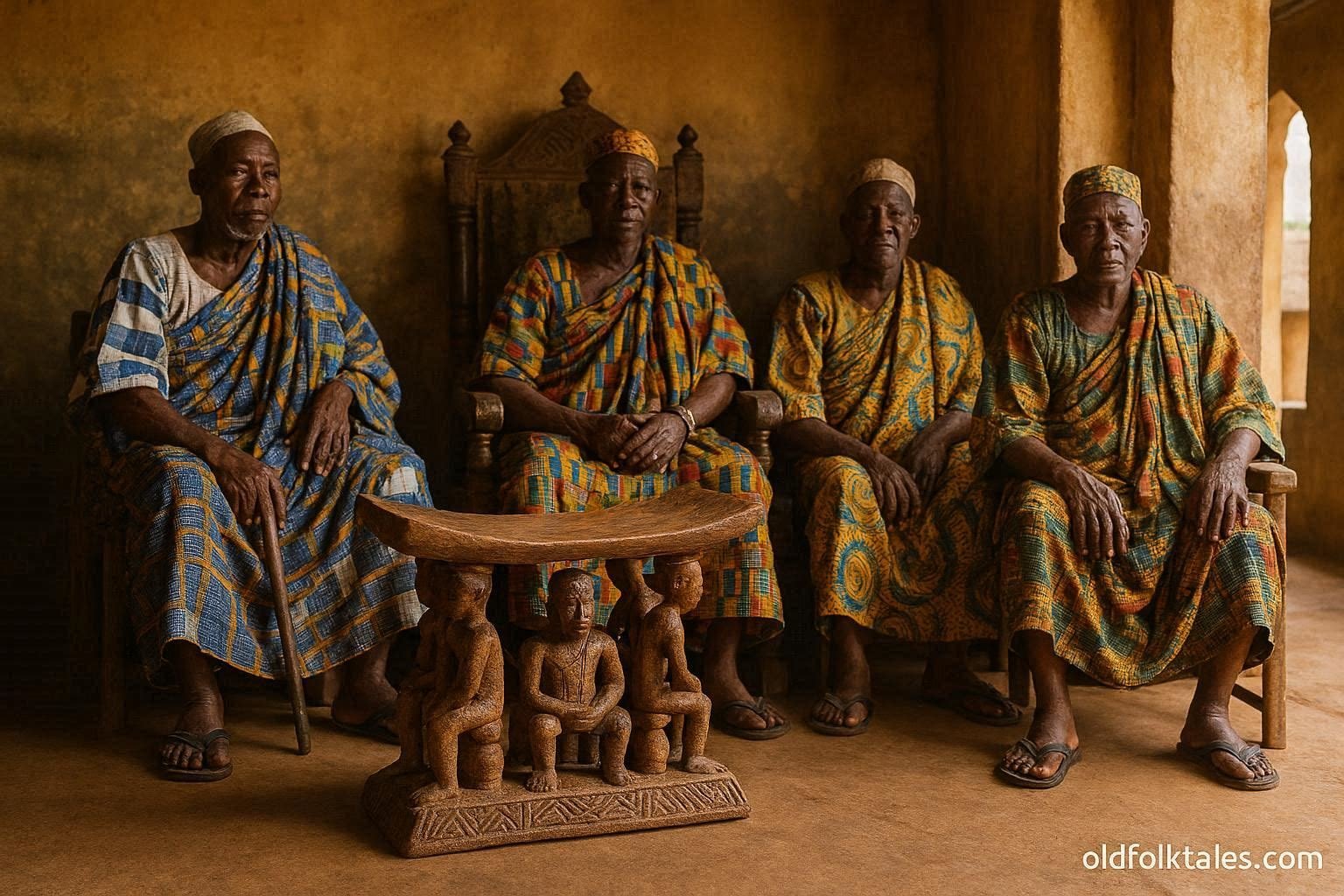
On the southeastern coast of Togo, near the shimmering waters of the Gulf of Guinea, lies the historic town of Glidji, an important cultural center of the Gen, also known as the Mina people. For centuries, Glidji has been a place where history, tradition, and community have been carefully preserved through oral storytelling, royal ceremonies, and the guidance of respected elders. Every generation learned that leadership was not measured by wealth or power alone but by wisdom, fairness, and an unwavering commitment to the well being of the people.
Among the most treasured symbols of authority in Glidji was the ceremonial royal stool. Unlike an ordinary seat, this beautifully crafted stool represented the responsibility carried by those chosen to lead. It reminded every ruler that authority existed to protect the community, settle disputes fairly, preserve peace, and safeguard the customs handed down by earlier generations. Elders often explained that while a crown could symbolize honor, the royal stool symbolized service. Whoever sat upon it accepted a lifelong promise to govern with humility and justice.
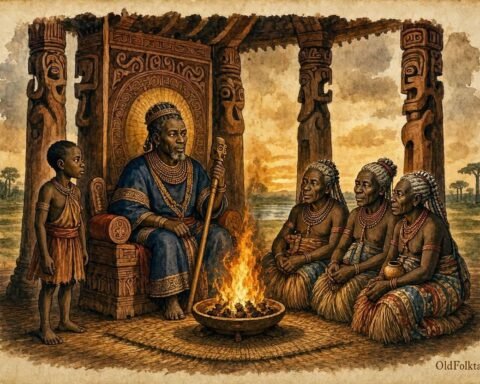
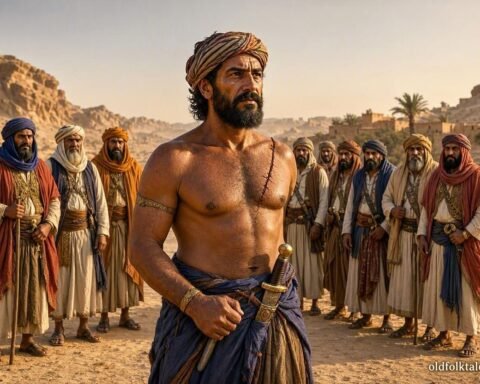
Many years ago, a respected ruler named King Agbeko governed the people of Glidji with wisdom and compassion. He was known for listening patiently before making decisions and for treating both the wealthy and the poor with equal fairness. His royal stool rested within the palace meeting hall where elders gathered to discuss matters affecting the entire community.
Among those who admired the king was his young nephew, Sena. Whenever palace meetings took place, Sena quietly sat beside the elders, listening carefully to every discussion.
Continue your journey: Read more East African folktales
One afternoon, after everyone had departed, Sena approached the royal stool with wide eyes.
“It is beautiful,” he whispered.
King Agbeko smiled.
“It is much heavier than it appears.”
Sena looked surprised.
“It does not look heavy.”
The king gently placed his hand upon the carved wood.
“The wood is light.”
“The responsibility is what carries the weight.”
Those words remained in Sena’s thoughts for many days.
The following week, two farmers arrived before the palace with a disagreement over a piece of farmland after heavy rains had washed away the old boundary markers.
Each believed the land belonged to his family.
Neither wished to surrender it.
The elders listened carefully.
When everyone had spoken, King Agbeko remained silent for several moments.
Finally, he suggested that the oldest members of both families walk the land together with village surveyors who remembered the original boundaries before any decision was made.
Several days later, the investigation confirmed the true boundary.
Both families accepted the decision peacefully.
As they left, Sena asked his uncle why he had not judged immediately.
The king smiled.
“A quick answer is not always a just answer.”
“A ruler must seek truth before giving judgment.”
Months later, traders arrived from neighboring communities carrying salt, woven cloth, pottery, and dried fish.
A misunderstanding arose over trading agreements.
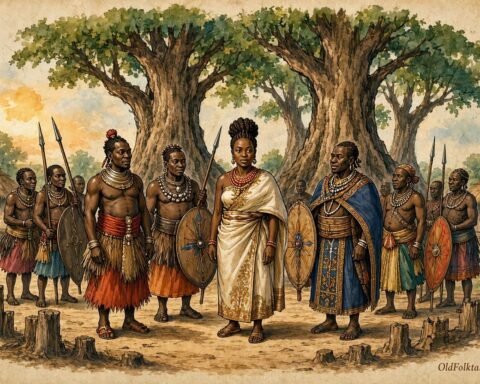
Rather than allowing tempers to grow, King Agbeko invited representatives from every group to meet beneath a large tree near the marketplace.
Everyone received an opportunity to speak.
By sunset, a fair agreement had been reached.
The traders returned home satisfied.
Sena noticed that his uncle never raised his voice during the entire meeting.
That evening he asked why.
The king replied gently,
“A loud voice may silence people.”
“A calm voice invites them to listen.”
As the years passed, Sena continued learning beside the elders.
He discovered that leadership required patience during difficult conversations.
It required courage when making unpopular but fair decisions.
Most importantly, it required humility.
One harvest season, severe storms damaged many farms throughout the region.
Several families lost much of their crops.
The palace granaries still held enough grain for the coming months.
Some advisers suggested protecting the royal reserves for future emergencies.
King Agbeko listened carefully before speaking.
“The people are the kingdom.”
“If they go hungry while our stores remain full, we have forgotten why leadership exists.”
The granaries were opened.
Every affected family received enough grain until the following harvest.
The entire community worked together to help replant damaged fields.
The next growing season brought an abundant harvest.
Many families returned grain to the royal stores, ensuring that future generations would also be protected during difficult times.
Sena understood that generosity often strengthened a kingdom more than strict control.
Years passed.
King Agbeko grew older.
The day eventually arrived when the elders gathered to install a new ruler.
Before the ceremony began, the king invited Sena into the quiet meeting hall where the royal stool stood waiting.
Sunlight streamed gently through the open doorway.
The room was silent.
King Agbeko rested his hands upon the carved stool.
“Many people believe this stool gives a ruler power,” he said.
“They are mistaken.”
Sena listened carefully.
“The people give the ruler responsibility.”
“The stool simply reminds us never to forget it.”
The king stepped aside.
He invited Sena to place his hand upon the smooth wood.
“This stool belongs to every generation.”
“It carries the hopes of the people.”
“It must never become a symbol of pride.”
“It must always remain a symbol of service.”
Those words became the foundation of Sena’s own leadership.
When he later became one of the trusted advisers of the kingdom, he remembered every lesson learned beside his uncle.
He listened before judging.
He sought peace before conflict.
He placed the needs of the community before personal comfort.
Whenever younger children visited the palace, they admired the beautiful royal stool.
Many asked whether it possessed magical powers.
Sena always smiled kindly before answering.
“The greatest power it holds is the reminder that every leader must serve.”
The children nodded thoughtfully.
As generations passed, the royal stool remained one of Glidji’s most respected ceremonial treasures.
Although rulers changed, the values it represented remained constant.
Justice.
Wisdom.
Humility.
Responsibility.
Service.
Today, the royal traditions of Glidji continue to preserve the cultural heritage of the Gen people of southeastern Togo. Oral histories and royal ceremonies remind each generation that symbols of leadership are meaningful only when they reflect fairness, integrity, and genuine care for the community. The ceremonial royal stool remains an enduring reminder that true authority is earned through service rather than privilege.
The story of The Royal Stool of Glidji teaches that the greatest leaders are those who use their authority to protect, unite, and serve the people entrusted to their care.
Want more? Read more West African folktales now
Moral Lesson
True leadership is measured by justice, humility, and a sincere commitment to serving others.
Knowledge Check
1. What did the royal stool symbolize in Glidji?
It symbolized leadership, justice, responsibility, and service to the people.
2. Why did King Agbeko delay judging the farmers’ dispute?
He wanted to discover the truth before making a fair decision.
3. How did the king settle the disagreement between the traders?
He listened to everyone patiently and guided them toward a fair agreement.
4. Why did the king open the royal granaries after the storm?
To help families in need because leadership meant caring for the people.
5. What lesson did Sena learn about the royal stool?
That it represented responsibility rather than personal power.
6. What is the main lesson of the story?
Great leaders place justice, humility, and service above personal ambition.
Source
Adapted from the royal traditions of the Gen (Mina) communities of Glidji, with reference to Glidji royal history archives, Togo cultural heritage studies, and oral historical traditions.