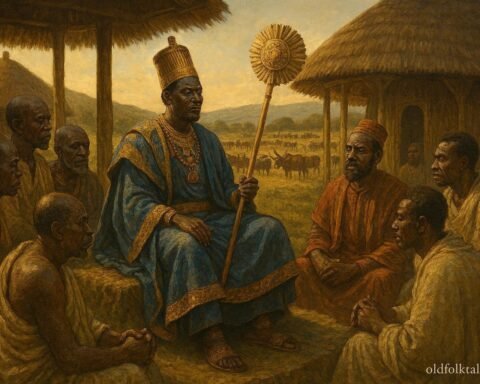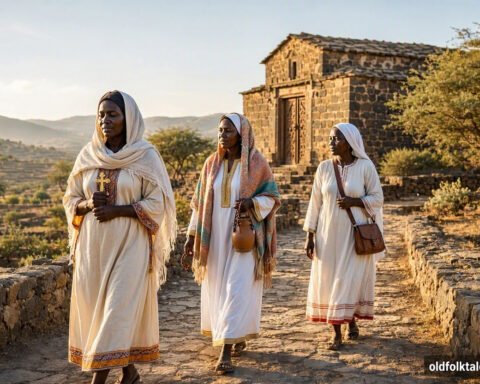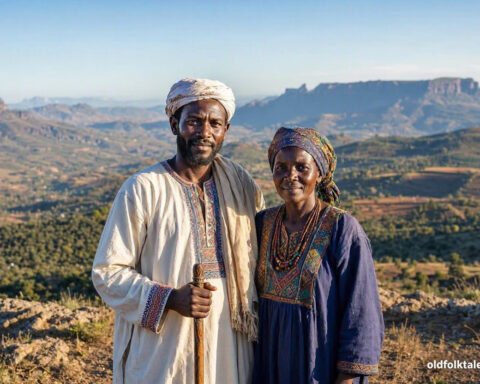
In the rolling landscapes of western Uganda, near the historic heartlands of Bunyoro, there are springs whose waters have long inspired respect and reverence. Among the Banyoro people, stories about these springs have been passed down through generations, preserving memories of ancestors, community rituals, and the special relationship between people and the natural world.
Long before modern roads crossed the region, the springs of Mparo were already known to nearby communities. Emerging from the earth with clear, cool water, they provided an important source of life for people, animals, and crops. Families visited the springs to collect water for daily use, travelers stopped to refresh themselves, and elders often gathered nearby to discuss matters affecting the community.
Over time, the springs became associated with stories that elevated their importance beyond their practical value.
According to oral tradition, the springs had been known to the earliest generations who settled in the area. Elders taught that the waters were gifts that should never be taken for granted. Because they sustained life, they deserved care, gratitude, and respect.
Want to dive deeper? Read more North African folktales today
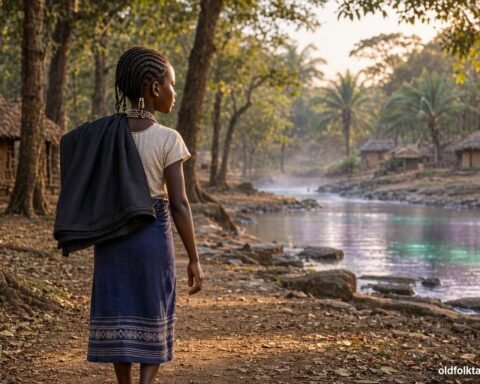
One story tells of a young Banyoro girl named Akiiki who lived in a village not far from the springs. She was known for her curiosity and her eagerness to learn from older members of the community. Whenever elders gathered to share stories, Akiiki listened attentively, hoping to understand the traditions that shaped the lives of her people.
One evening, while sitting beside her grandmother, she heard the elders discussing the springs.
Some spoke about ceremonies that had taken place there many years earlier.
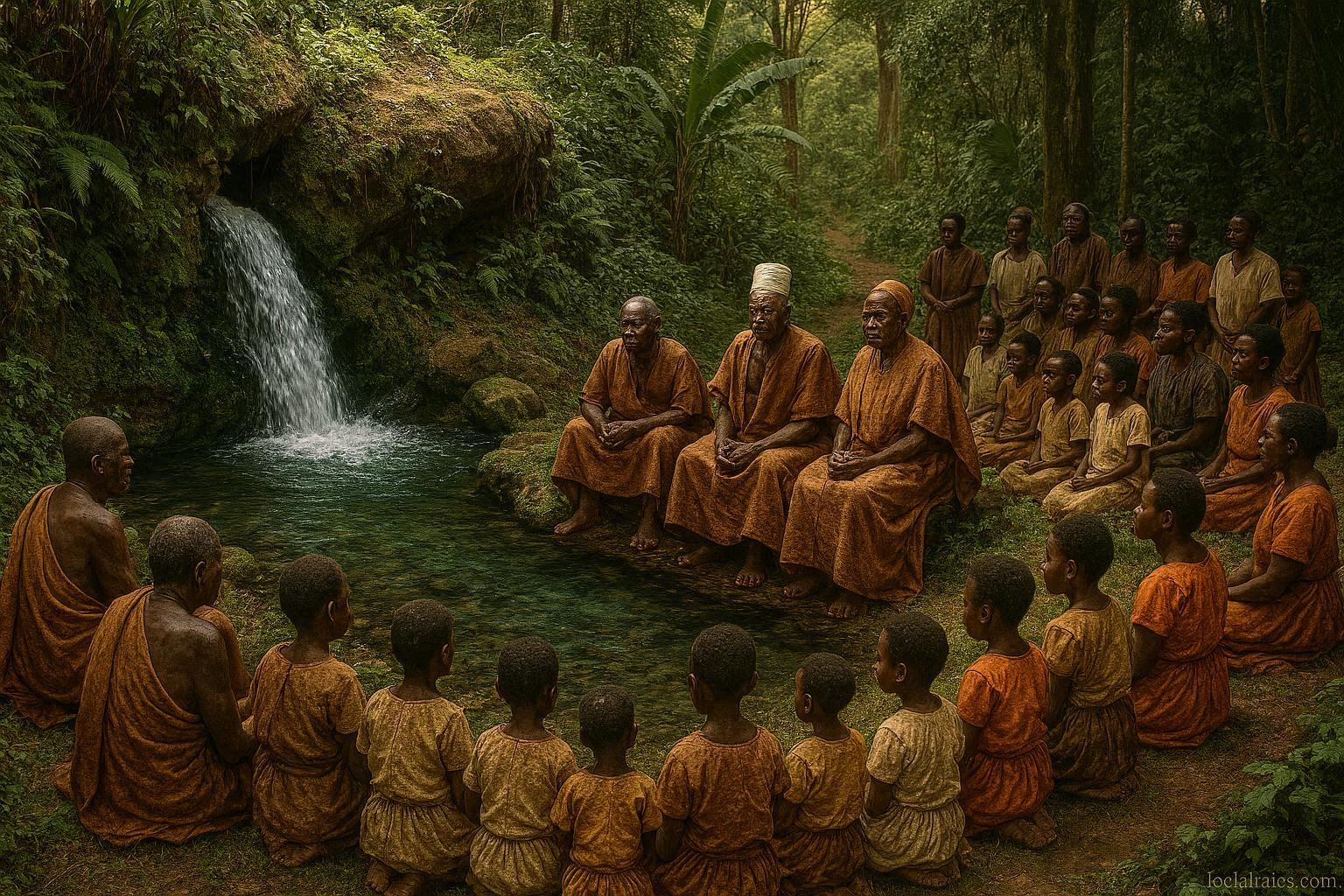
Others recalled how community leaders once gathered near the water to seek wisdom before making important decisions.
A few shared stories of travelers who visited the springs and left with a renewed sense of hope after receiving guidance from respected elders.
Akiiki listened carefully.
When the gathering ended, she asked her grandmother why the springs were treated with such respect.
The old woman smiled and invited her to accompany her the next morning.
Before sunrise, the two walked along a narrow path leading toward the springs. Birds called from nearby trees, and the cool air carried the scent of wet earth. As they approached, the sound of flowing water filled the silence.
The springs appeared peaceful.
Clear water emerged steadily from the ground and flowed into small channels that nourished the surrounding landscape.
For a moment, neither spoke.
Then Akiiki’s grandmother explained that the springs represented continuity.
The same water source had supported countless generations.
Ancestors had walked the same paths.
Children had played nearby.
Families had gathered during times of celebration and difficulty.
The springs connected the present to the past.
As they sat together, the grandmother shared stories she had learned from her own elders.
She described periods of drought when communities depended heavily upon the springs for survival.
She recounted how people cooperated to protect the area from damage and contamination.
She spoke about gatherings where elders taught younger generations the importance of stewardship and gratitude.
The more Akiiki listened, the more she understood that the springs were not revered because of magical powers.
They were respected because they represented life, memory, and responsibility.
In the years that followed, Akiiki continued visiting the springs.
She learned that many community rituals took place nearby.
Some ceremonies celebrated successful harvests.
Others marked important stages of life, such as births, marriages, and transitions into adulthood.
The springs often served as gathering places where people reflected upon their connection to family, community, and ancestry.
One particularly difficult year tested the village.
Rainfall was lower than expected, and harvests suffered. Families worried about the future. Although the springs continued flowing, people understood that careful management would be necessary.
Community leaders organized meetings near the water.
Elders encouraged cooperation and reminded everyone of lessons passed down through generations.
They explained that resources must be shared fairly and used wisely.
The community responded positively.
Families worked together to conserve water and support one another. Those with greater resources assisted those facing hardship. Through collective effort and mutual respect, the village endured the difficult season.
After conditions improved, the experience became part of local oral tradition.
Future generations heard stories about how cooperation and respect for shared resources helped the community overcome adversity.
Years later, Akiiki grew into a respected elder herself.
She became one of the people responsible for preserving the stories associated with Mparo.
Whenever children asked why the springs remained important, she shared the lessons she had learned from her grandmother.
She explained that heritage is not limited to objects or buildings.
It also exists in places where communities gather, remember, and learn.
The springs taught people about stewardship.
They reminded communities that natural resources should be protected rather than exploited.
They demonstrated how shared spaces can strengthen social bonds and preserve collective memory.
Visitors from distant regions occasionally came to Mparo and heard the stories connected to the springs.
Many were impressed by the way local traditions emphasized respect for both nature and ancestry.
They discovered that the springs served as a bridge between generations.
Elders used them to teach values.
Parents brought children there to learn about community history.
Ceremonies reinforced cultural identity and continuity.
As time passed, the world around Mparo changed.
New technologies appeared.
Roads improved.
Communication became faster.
Yet the springs remained.
Their waters continued flowing just as they had for countless years.
The stories survived as well.
Each generation added new experiences while preserving the central message passed down from the past.
The springs belonged not only to one family or one village but to a broader heritage shared by the Banyoro people.
Today, the Sacred Springs of Mparo remain important symbols of memory and identity.
They remind people that landscapes can carry history.
They show how communities preserve knowledge through oral tradition.
Most importantly, they teach that respecting natural resources and honoring ancestral wisdom are responsibilities that pass from one generation to the next.
For the Banyoro, the springs are more than sources of water.
They are places where heritage lives.
They are places where memories endure.
And they are places where the voices of the past continue to guide the future.
Looking for more? Explore the magic of East African folktales here
Moral Lesson
Communities grow stronger when they respect their heritage, protect shared resources, and pass valuable knowledge to future generations.
Knowledge Check
1. Why were the springs of Mparo important to the Banyoro people?
They provided water and served as places of memory, ritual, and community gathering.
2. What did Akiiki learn from her grandmother?
That the springs connected present generations to their ancestors and history.
3. Why were community meetings held near the springs during difficult times?
To encourage cooperation and wise use of resources.
4. What values were associated with the springs?
Respect, stewardship, gratitude, and heritage.
5. How did the springs help preserve cultural identity?
They served as gathering places for storytelling, ceremonies, and teaching traditions.
6. What is the main lesson of the story?
Heritage and natural resources should be protected and respected for future generations.
Source
Adapted from Banyoro oral traditions concerning Mparo, sacred landscape narratives, and materials preserved in Western Uganda oral heritage archives.