In the grasslands of what is now South Sudan, where the earth stretches wide and the seasons decide the rhythm of life, rain is not simply weather.
It is survival.
Want more? Read more West African folktales now
It feeds cattle, restores dry soil, and determines whether a community will thrive or struggle. Among the Dinka people, who have long lived closely tied to cattle and the cycles of nature, rain is understood as something sacred, something that connects humans, land, and the unseen world.
This is the story of a man who could call the rain.
And of what happened when he forgot what that gift truly meant.
A Gift from the Spirits
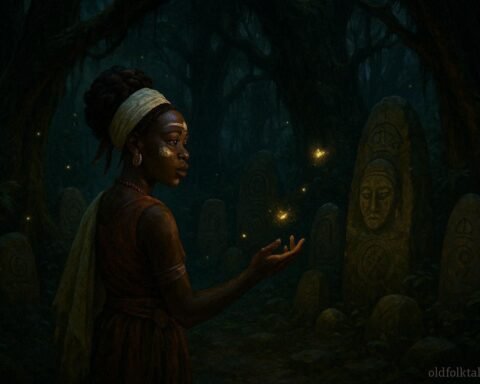
There was once a man in a Dinka village who was known for a rare and powerful ability.
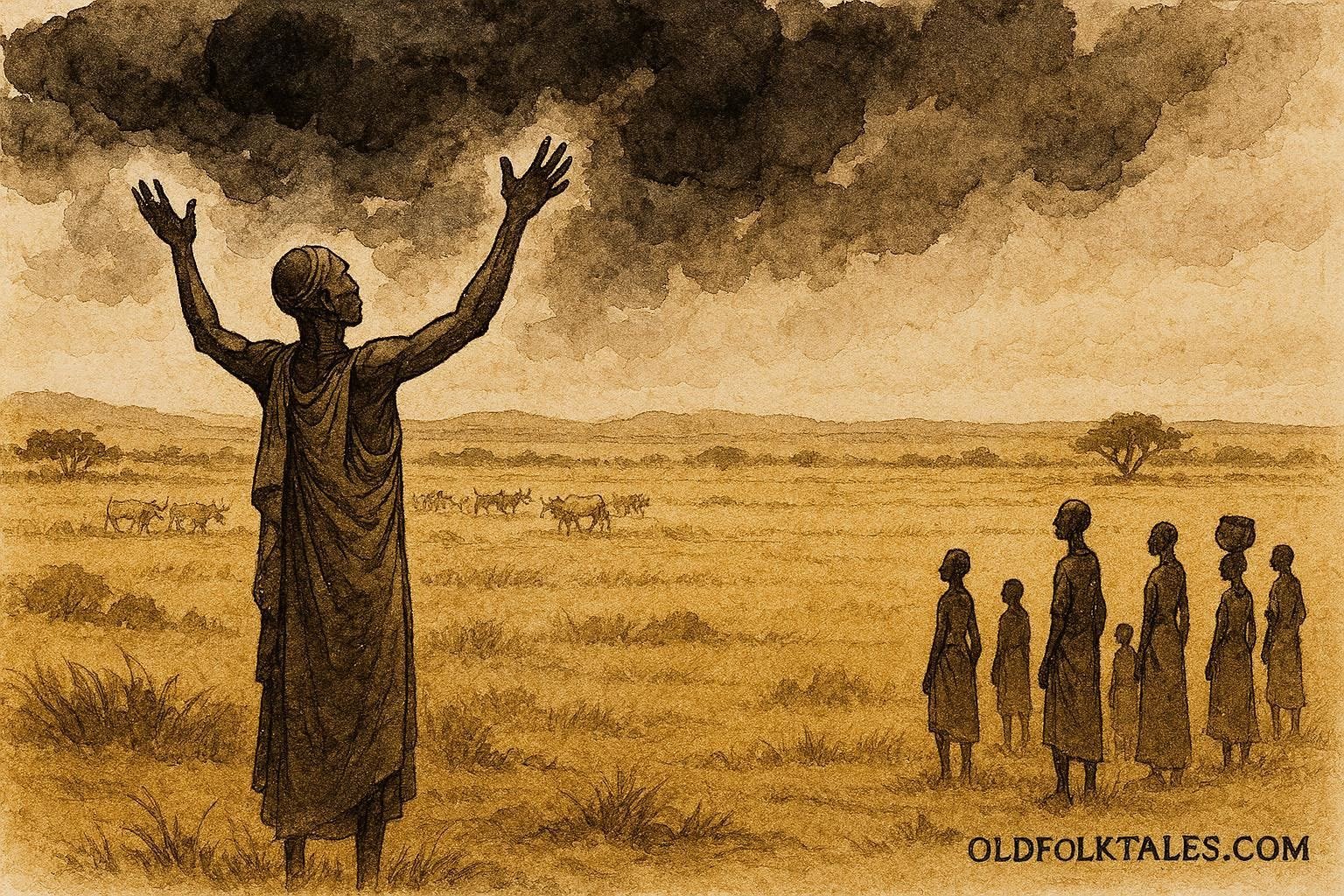
When he spoke certain words and performed certain rituals, the sky responded.
Clouds gathered when the land was dry. Thunder rolled softly in the distance. And soon, rain would fall across the fields, feeding the earth and bringing relief to the people.
At first, the village saw this gift as a blessing beyond measure.
When drought threatened, they called upon him.
When the cattle grew weak and the soil cracked under the sun, they turned to him.
And each time, the rain came.
The people rejoiced.
The man was respected, but he remained humble.
At least, at first.
The First Signs of Pride
As seasons passed, the man began to notice something.
Whenever the rain came, people thanked him more loudly than they thanked the spirits. They brought him small gifts. They praised his name in gatherings.
At first, he accepted this quietly.
Then, he began to expect it.
Then, he began to believe it.
“I bring the rain,” he started to think.
Not the spirits.
Not the land.
Not the balance of the world.
But himself.
And with that thought, something inside him began to shift.
When Gratitude Becomes Expectation
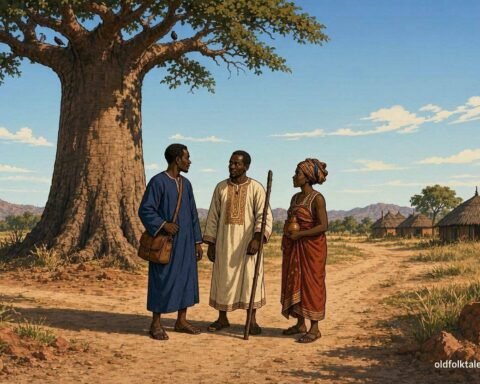
One season, when the skies were dry and the wind carried dust across the fields, the village came to him again.
They asked for rain.
He agreed.
The clouds came.
The rain fell.
The people celebrated.
But this time, the man did not simply receive their gratitude.
He demanded it.
“I have done this for you,” he said. “You must honor me properly.”
The people hesitated.
Some looked uncomfortable.
But they complied.
They brought more gifts.
They praised him more loudly.
And the man felt important.
More important than before.
The Demands Grow
As time went on, the man’s expectations increased.
Each time the rain came, he asked for something in return.
At first, it was food.
Then cattle.
Then public praise.
Finally, he began to refuse to bring rain unless he was honored beforehand.
The people obeyed.
Not because they agreed.
But because they feared what would happen if they did not.
The land depended on rain.
And the rain depended on him.
Or so they believed.
But the spirits were watching.
The Silence in the Sky
One season, when the land became dry again, the people came to the rainmaker.
They brought gifts.
They offered praise.
They followed every instruction he demanded.
And the man prepared his rituals.
He spoke the words.
He called upon the rain as he always had.
But this time…
Nothing happened.
The sky remained still.
No clouds gathered.
No wind changed.
The earth stayed dry.
The man tried again.
And again.
Still nothing.
Confusion spread through the village.
Fear followed.
The Withdrawal of the Gift
Days passed.
Then weeks.
Still, the rain did not come.
The cattle grew weak.
The soil cracked deeper.
The people suffered.
They returned to the rainmaker, desperate.
“What has changed?” they asked.
The man could not answer.
For the first time, his words held no power.
Or perhaps, they had never held power alone.
That night, in a moment of stillness, he realized something he had long ignored.
The rain had never belonged to him.
It had only passed through him.
The Lesson of Absence
The spirits had not taken the rain out of cruelty.
They had withdrawn it because balance had been broken.
A gift meant for the community had been turned into personal authority.
What was once shared had become controlled.
What was once humble had become proud.
And so, the flow stopped.
Returning to Humility
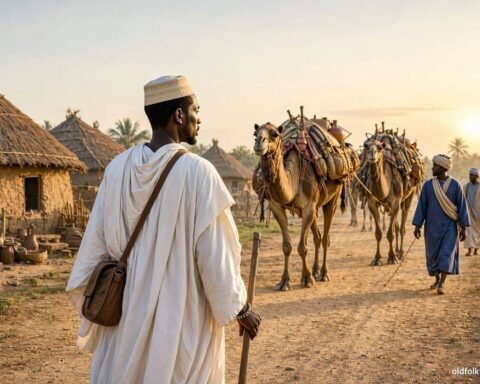
The man returned to the village elders.
For the first time in many seasons, he did not ask for praise.
He did not demand gifts.
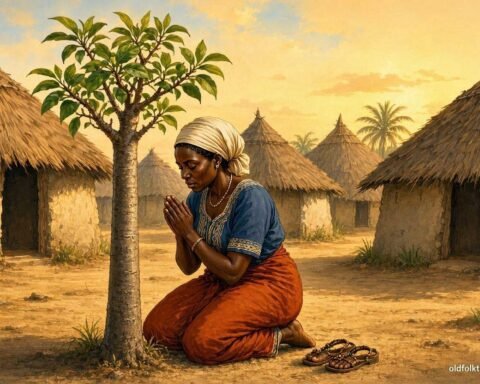
He spoke simply.
“I was given something I did not understand,” he said. “And I made it about myself.”
The elders listened.
They did not rush to forgive.
Nor did they reject him immediately.
Instead, they reminded him of what they had always known.
“Rain does not belong to one man,” they said. “It belongs to the land, the spirits, and the people together.”
The man lowered his head.
The Sky Opens Again
After time passed, the man returned to his role, not as a figure of pride, but as a servant of balance.
He performed the rituals again, but differently.
Not for recognition.
Not for reward.
But for the community.
And slowly, the sky responded once more.
Clouds gathered.
The wind shifted.
Rain returned to the land.
Not because one man commanded it.
But because harmony had been restored.
Continue your journey: Read more East African folktales
Moral Lesson
Gifts and abilities are meant to serve the community, not elevate the self. When pride replaces humility, balance is disrupted, but can be restored through understanding and responsibility.
Knowledge Check
- What is “The Rainmaker Who Forgot Humility” about?
It is a Dinka folktale about a man who could bring rain but becomes proud and loses his gift. - Why did the rainmaker lose his ability to bring rain?
He became arrogant and began demanding praise, disrupting the balance of his spiritual gift. - What role did the community play in the story?
The community depended on him but also reflected the consequences of misplaced admiration and pressure. - What theme does this folktale emphasize?
It highlights humility, responsibility, and the communal nature of spiritual gifts. - How was the balance restored?
When the rainmaker returned to humility and served the community selflessly, the rain returned. - What lesson does this African folktale teach?
It teaches that power or gifts must be used with humility, or they lose their harmony and purpose.
Source: African folktale, South Sudan.
Adapted from Dinka oral traditions recorded in ethnographic fieldwork (Godfrey Lienhardt’s Sudanese studies, 1961).
Cultural Origin: Dinka people, South Sudan